

Last updated October 30, 2026
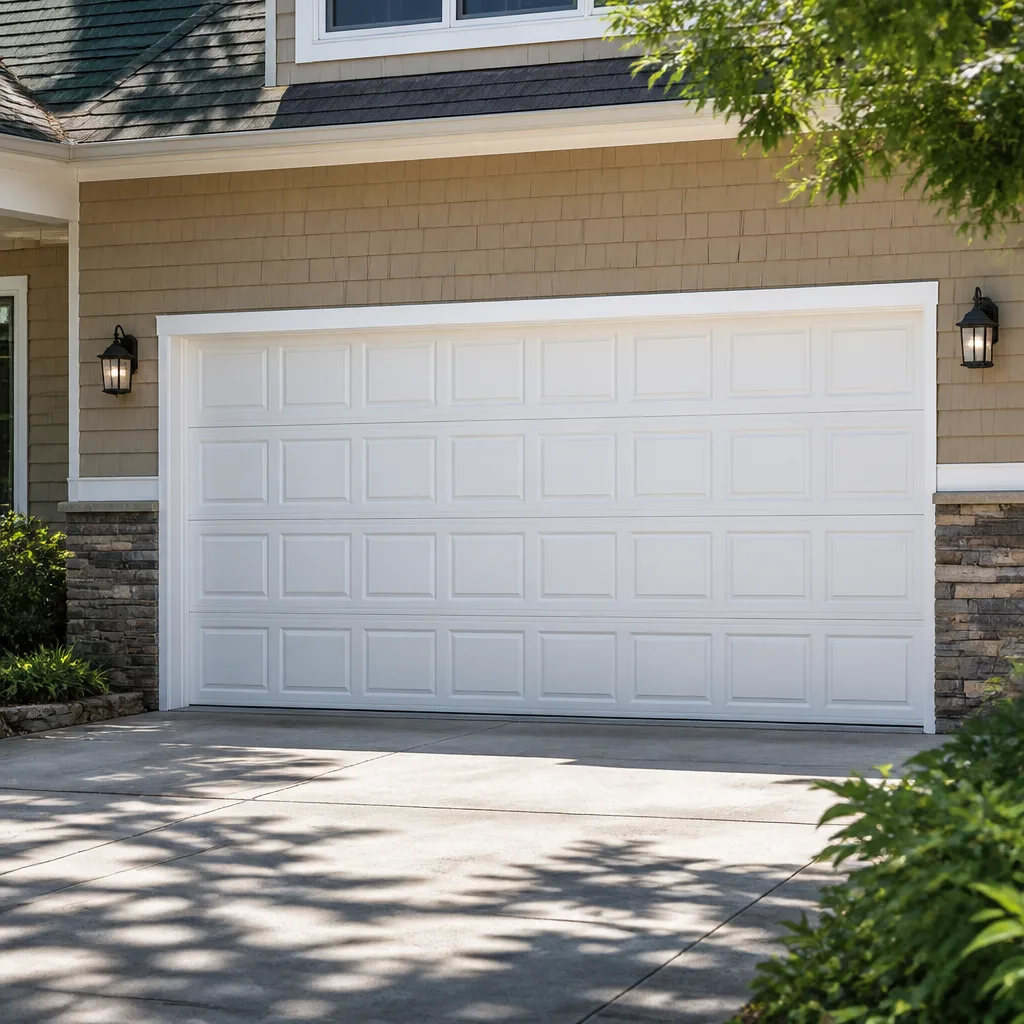 Raised-panel steel
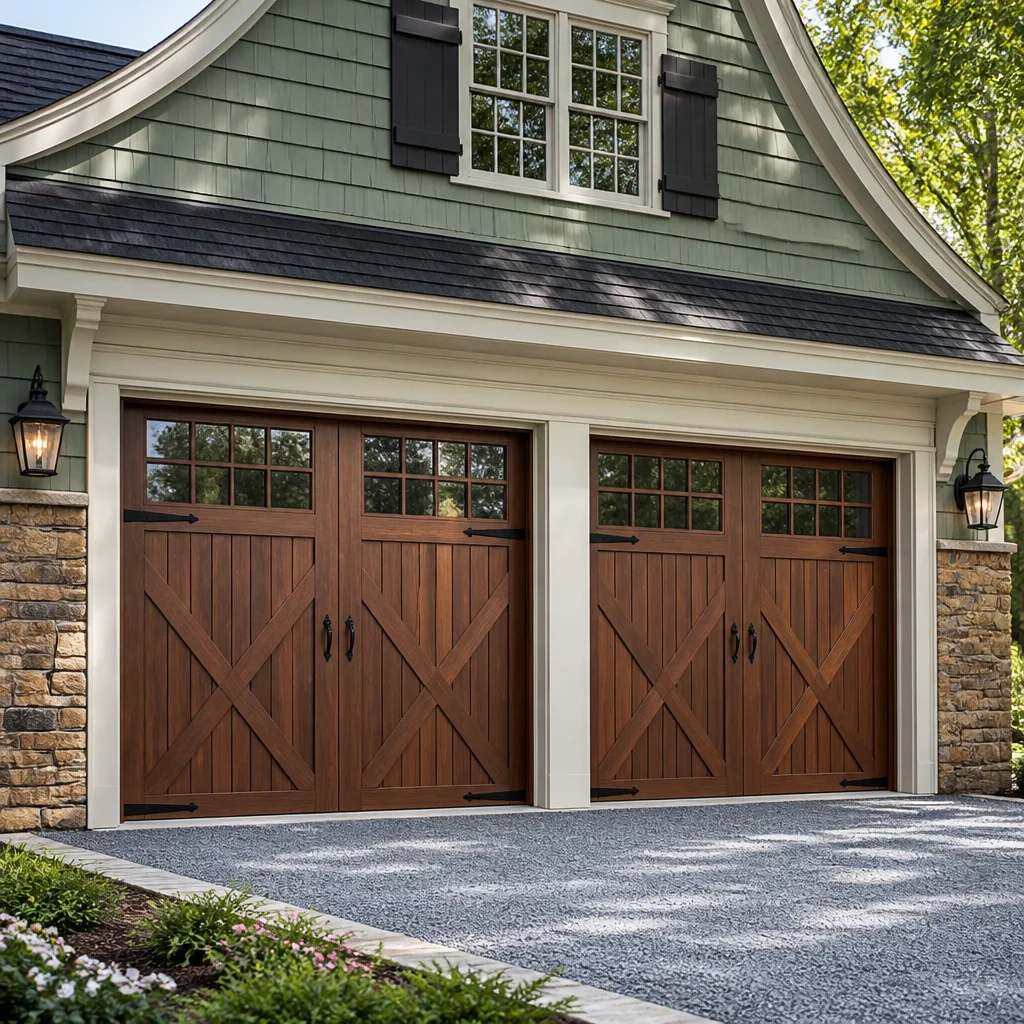 Carriage house
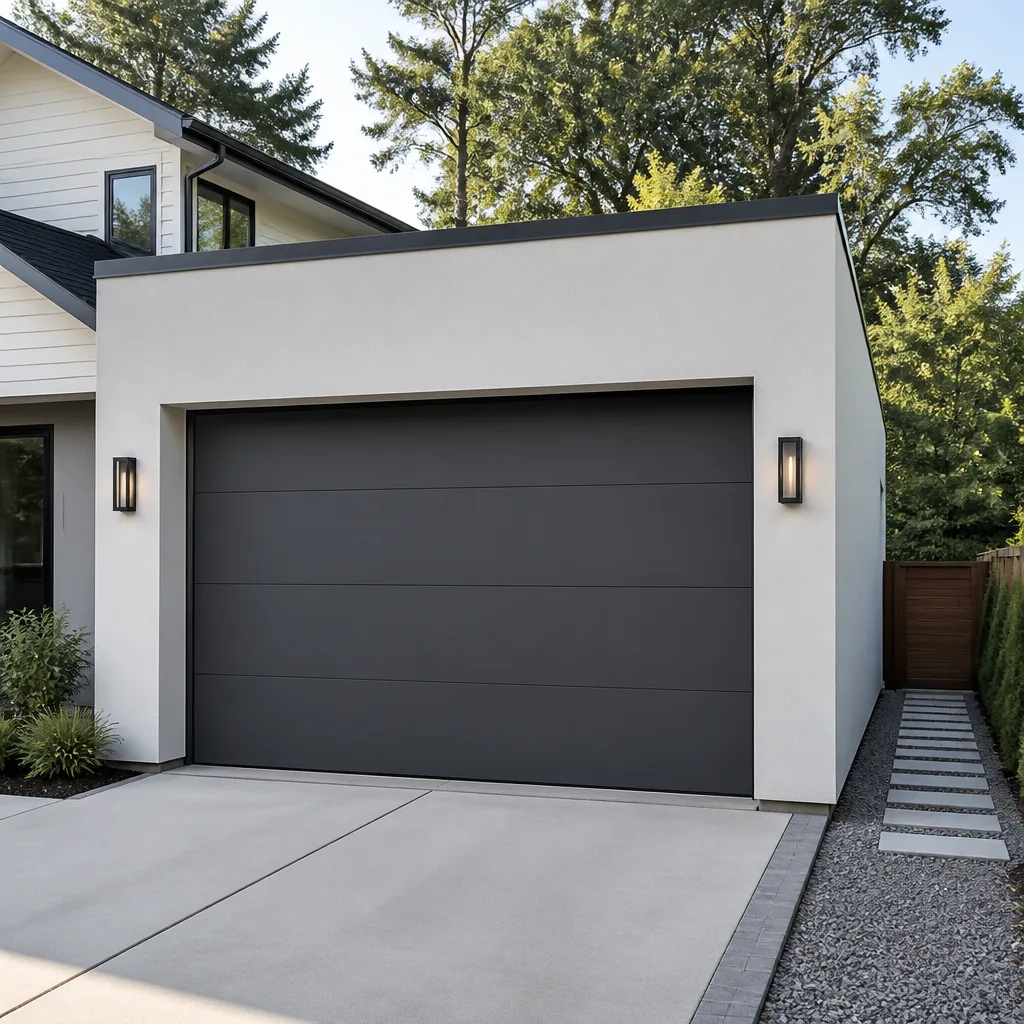 Modern flush
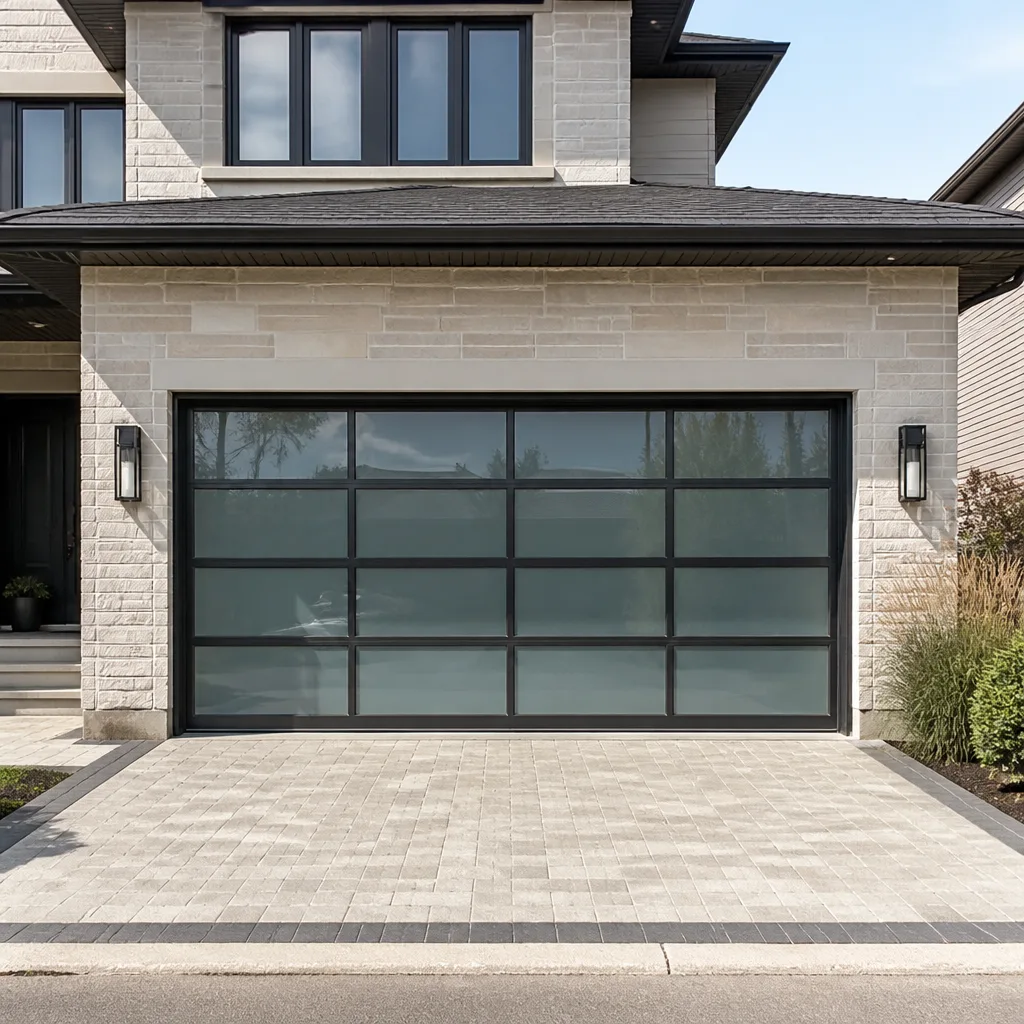 Full-view glass
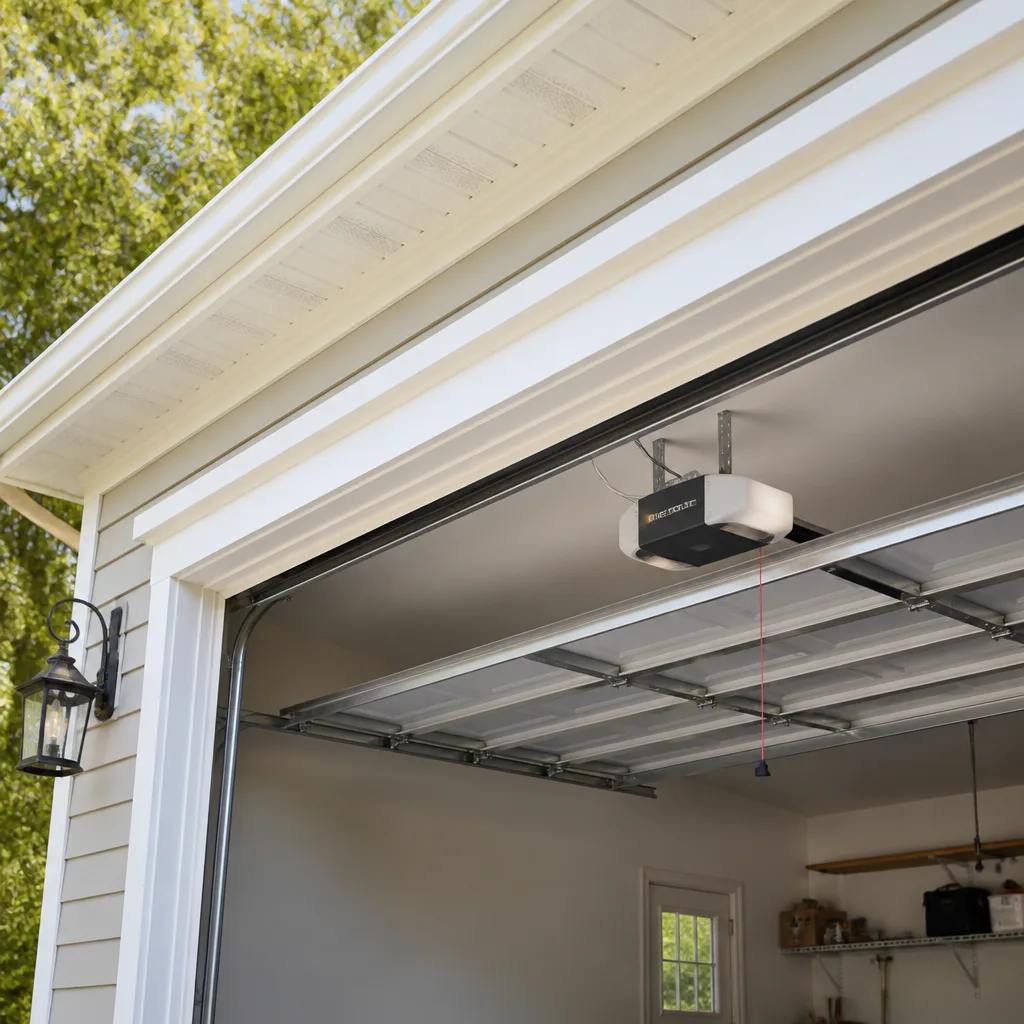 LiftMaster openers
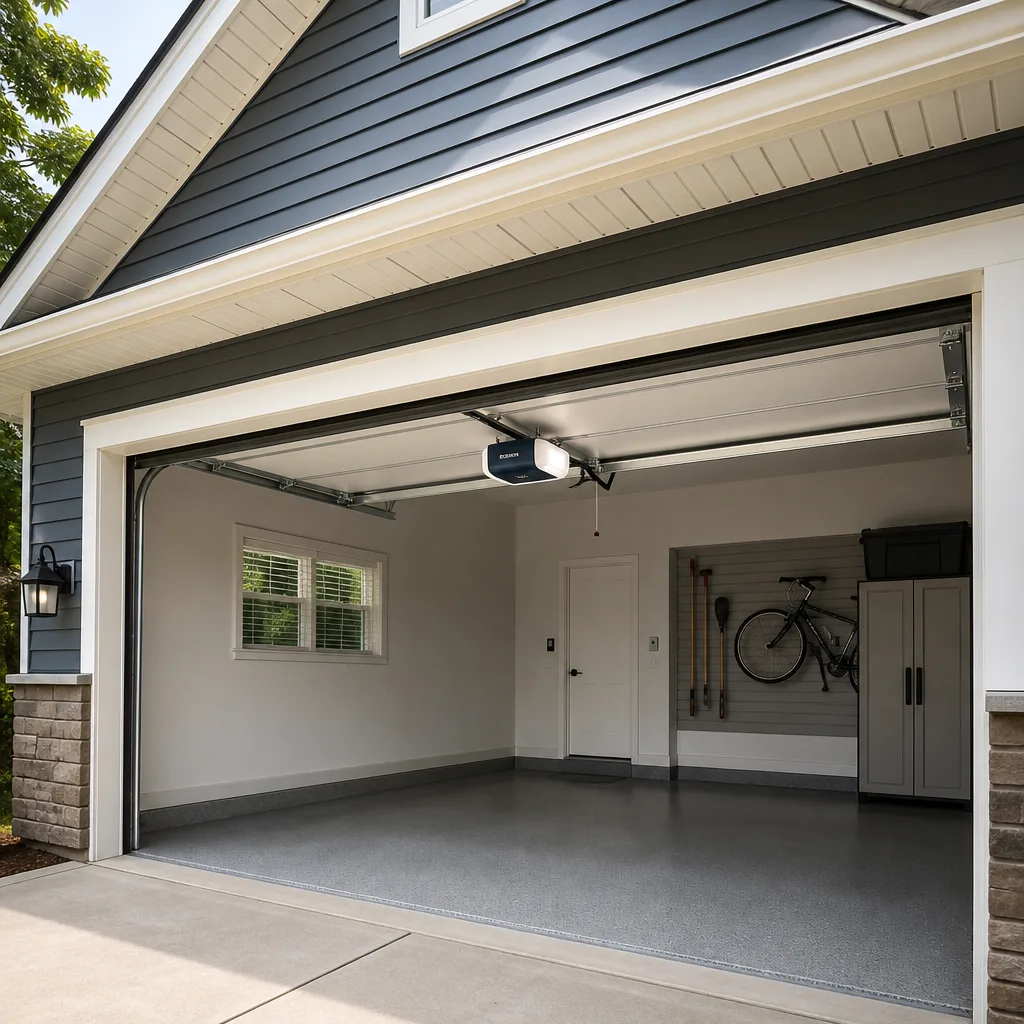 Chamberlain openers
Full 25-point door and opener safety check with every visit - springs, cables, rollers, tracks, and your LiftMaster or Chamberlain opener included
You get a price before we start. It does not change when the truck arrives.
Get your free estimateGarage Door Emergency Preparedness Guide for Elk Grove Homes
Every year, thousands of Sacramento-area homeowners discover their garage door has failed at the worst possible moment: a spring snaps at 6:40 a.m. with the car still inside, a power outage kills the opener during a Red Flag Warning, or a cable lets go just as the family leaves for a week-long trip. In Elk Grove, where summer temperatures routinely top 100 degrees and PG&E Public Safety Power Shutoffs have become a recurring fall reality, a non-functioning garage door isn’t an inconvenience. It’s a vehicle trap, a home security breach, and a heat exposure risk all at once. This guide gives Elk Grove homeowners a practical emergency protocol: the specific steps to take when the door fails, the tools you need before it happens, and the decisions that keep a bad morning from becoming a dangerous one.
Styles & brands we work with
Quick Answer
Garage door emergencies in Elk Grove fall into three categories: a door that won’t open, a door that won’t close, or a door stuck halfway. Your first step in any of these scenarios is to locate the manual release cord (usually a red handle hanging from the opener rail) and understand whether it’s safe to disengage. If a spring has snapped, do not attempt to lift the door manually: the full weight of a double-car garage door can exceed 150 pounds with zero counterbalance. Call a garage door specialist at (855) 631-8980 for same-day emergency service in Elk Grove.
Table of Contents
- When the Power Goes Out: PG&E Shutoffs and Garage Door Access
- Spring Failure with a Car Inside: The Step-by-Step Protocol
- Manual Release Procedures for the Four Most Common Elk Grove Openers
- When the Door Won’t Close: Securing a Door Stuck Open
- Battery Backup Systems: What Works and What Doesn’t in PSPS Events
- The Garage Door Emergency Card: What Every Family Member Needs
- Elk Grove Seasonal Preparation: Heat, Wind, and the Sacramento Valley Climate
- Common Mistakes to Avoid
- When to Call a Professional
- Frequently Asked Questions
- The Bottom Line
When the Power Goes Out: PG&E Shutoffs and Garage Door Access
When PG&E cuts power during a Red Flag Warning, which happens most often in Elk Grove’s east-side foothill corridors near Grant Line Road and Wilton, a garage door without a tested manual release becomes a vehicle trap and a security vulnerability at the same time. The opener that has dutifully lifted your door every morning for a decade does nothing when the panel goes dark. If you’ve never pulled the red emergency release cord, you’re about to learn in the worst possible conditions: no lights, maybe no phone signal, and a car you need to get out.
The first thing to understand is that every automatic garage door opener installed in the last 40 years has a manual release mechanism. It’s a mechanical bypass, not an electrical one. When you pull the release cord, you disconnect the door from the opener carriage, allowing the door to move freely on its own tracks. In a power outage, this is your only way to open or close the door by hand.
Here’s the sequence that works in every Elk Grove neighborhood, from Laguna West to Sheldon:
- Confirm the door is fully closed or fully open. If the door is mid-travel when the power dies, wait. Gravity will settle it to the down position in most cases. Trying to disengage mid-travel is how cables jump tracks.
- Locate the manual release cord. It hangs from the carriage assembly on the opener rail, typically red. In a dark garage, feel along the rail above your car’s roof line. The handle sits roughly 6-7 feet from the opener motor.
- Pull the cord down and toward the door. One firm pull. You’ll hear a click and see the carriage separate from the chain or belt.
- Test manually. With one hand on the handle at the bottom of the door, lift. A balanced door should rise with moderate effort and stay up about 3-4 feet off the ground. If it feels heavy or drops, stop. A spring may have failed.
- Reconnect when power returns. Run the opener once. The carriage will travel along the rail. When it reaches the release mechanism, it reconnects automatically on most LiftMaster, Chamberlain, and Genie models. If your model requires manual reconnection, pull the cord again and run the opener.
The failure most Elk Grove homeowners make during a PSPS event is testing the manual release for the first time when they actually need it. The cable on an old Genie or a 15-year-old LiftMaster can be sticky from heat and dust. If the release hasn’t been cycled in years, it may not disengage cleanly. Test it quarterly. It takes 30 seconds, and it’s the difference between a minor inconvenience and a trapped vehicle.
Spring Failure with a Car Inside: The Step-by-Step Protocol
A garage door torsion spring carries the entire weight of the door. When it snaps, which it does without warning and usually on the coldest morning of the year, the sound is often described as “a gunshot in the garage.” In Elk Grove, where winter mornings drop into the 30s, metal fatigue reaches its breaking point exactly this time of year. The spring on a double-car door is wound to roughly seven and a half turns of torque. When it fails, that energy releases instantly.
Here’s the hard truth: a double-car garage door weighs between 130 and 180 pounds depending on construction. With a broken spring, you are now lifting that entire weight with your arms, your back, and whatever leverage you can find. This is how herniated discs and crushed fingers happen. We’ve seen it. The emergency room in Elk Grove sees it, too.
Step-by-step protocol when a spring snaps with a car inside:
- Do not press the opener button again. The opener will try to lift a door that is now twice its normal weight. This is how opener gears strip and cables snap. One press may not kill the opener. Repeated presses will.
- Check which spring failed. Look up, directly above the center of the door. You’ll see a metal rod running horizontally. On it are one or two springs. A broken spring will have a visible gap or separation, usually in the middle. If you have two springs and one broke, the other is carrying unequal load. It will fail soon.
- Assess if you can leave the car where it is. If there’s another vehicle you can use, this is the right answer. Leave the garage door closed and call a professional. The repair can happen on the schedule that works for you, not in emergency mode.
- If you must get the car out, disengage the opener first. Pull the red release cord. This separates the door from the opener. Now you’re working with the door only, not the opener fighting you.
- Recruit two adults. Lifting a 150-pound door with no spring assistance is a two-person minimum job. One person on each side of the door, lifting from the bottom handle or the side rails. Lift with your legs. Do not lift from the top panel, where pinch points and falling-door risks are highest.
- Lift to full open position. A properly prepared team can raise the door to the top of its travel. But be prepared: without a spring, the door may want to come back down. Many doors have a slight clamping action in the tracks; do not rely on it. Once the door is fully up, have one person hold it while the other moves the car.
- Secure the door in the open position. Use locking pliers or a heavy-duty C-clamp on the track, just below one of the rollers, to prevent the door from sliding down. This is a temporary measure, not a resting state. A clamp can slip. It buys you minutes, not hours.
- Call for same-day repair. A broken spring doesn’t fix itself, and the remaining spring, if there is one, is now operating under stress it wasn’t designed for. We replace both springs as a set: the second one is not far behind the first.
In our experience across Elk Grove and the wider Sacramento Valley, a homeowner who keeps the car inside and waits for a professional always ends up with a better outcome than the one who tries to muscle a 150-pound door. Less damage to the door, less risk to the body, and the repair happens the same day either way.
Manual Release Procedures for the Four Most Common Elk Grove Openers
Most Elk Grove garages are fitted with one of four opener families: the LiftMaster 8365, the LiftMaster 8550, the Chamberlain B970, or a Genie Series II. They share a mechanical principle, but the release details vary enough that a homeowner who learned on one may fumble on another. Here’s what actually differs.
LiftMaster 8365 (chain drive): The release handle is a red T-shaped grip hanging from the carriage rail. Pull straight down with a firm motion. The carriage physically separates from the chain-drive sprocket. Reconnection is automatic: run the opener, and the carriage moves forward until it clicks back onto the release mechanism. You may need to pull the cord once more after power returns if the carriage doesn’t engage on the first pass.
LiftMaster 8550 (belt drive, DC motor): This is the quiet one, and it has a subtle difference: the release cord is thinner and the handle is smaller, making it harder to find in low light. The mechanism is spring-loaded. When you pull, you’re fighting a small internal spring, so it snaps back into place if you don’t hold it through the disengagement motion. Pull down and slightly toward the motor, then hold for a half-second until you hear the click.
Chamberlain B970 (belt drive, battery-capable): The release works like the LiftMaster 8550, and the two openers share parentage. The distinguishing feature here is that if the unit has the optional battery backup attached, the opener may still have power during an outage. If the door won’t open and you hear a humming sound, the battery backup is engaged and the opener is trying to operate. Pulling the release is still your fallback. Reconnection works the same: run the opener and let the carriage travel until it locks.
Genie Series II (chain drive): This is the older workhorse still found in many original-construction Elk Grove homes. The release handle is a red plastic knob, and the mechanism is stiffer than the LiftMaster releases. The cord must be pulled down and away from the door, not just down. If the release hasn’t been cycled in a year or more, it may take two or three firm pulls. Reconnection on many Series II models is not automatic: pull the cord again while the opener is running, and guide the carriage until the latch engages.
The universal mistake we see in Elk Grove is assuming all red handles work identically. They don’t. Test yours now, while there’s no emergency, and note whether it snaps back, needs a second pull, or reconnects automatically. That knowledge is what gets a car out of the garage at 6 a.m.
When the Door Won’t Close: Securing a Door Stuck Open
A door that won’t close is worse than a door that won’t open, because the security risk is active, not potential. When your garage door sits open, you’re exposing a connected-to-the-house entry point, often with the interior door unlocked. In Elk Grove, where property crime moves in cycles and open garages are a known target pattern, you need a temporary security plan that actually works.
First, diagnose the simple causes, because most “won’t close” problems are not the opener. The photo-eye sensors at the bottom of each track, mounted about 6 inches off the floor, are the most common culprit. If they’re misaligned, blocked by leaves or cobwebs, or struck by a bike, the opener thinks a child is in the way and refuses to close. Check that both sensors have steady lights. If one is blinking, wipe the lens and realign. In Elk Grove’s dusty summers, a thin film of dirt on the sensor lens is a frequent cause.
If the sensors are clean and aligned but the door still reverses, the problem is likely the force settings or the travel limits. These are adjustments inside the opener motor housing. This is not a DIY adjustment if you don’t know what you’re doing: setting the force too high creates a crush hazard. A door that reverses because the force setting is too strong can close on a child or pet with serious force.
For the security issue itself, here’s what works and what doesn’t:
- Securing the door in place with clamps: Two locking pliers or C-clamps on the tracks below a roller on each side. This prevents the door from moving, whether someone pulls it or the wind catches it. This is a mechanical stop, not a lock. It works.
- Locking the interior door: Before anything else, lock the door that connects the garage to the house. Do this the moment you realize the garage door won’t close. This is the single highest-impact security action you can take.
- Removing opener remotes from cars: If a car is parked outside with a remote clipped to the visor, that remote opens the garage for whoever breaks the car window. Move the remote inside, or take the garage door off its programming during the outage period.
- Motion-activated floodlights: Effective as a deterrent. Most Elk Grove homes already have these. If the garage door is stuck open, a bright light on any approach makes a burglar think twice.
- Threading a cable lock through the track: Some homeowners loop a bike cable through the door track above a roller. This can jam the door if the opener runs, damaging the cable, the track, or the operator. Don’t do it. It’s theater, not security.
The real fix for a door that won’t close is a repair that afternoon. The garage is a hinge point for home security, and a door that can’t secure is a door that’s failing at its only job. Garage door repair in Elk Grove is a same-day service, and it should be treated as a priority, not a next-week scheduling item.
Battery Backup Systems: What Works and What Doesn’t in PSPS Events
California law has required battery backup on all newly installed residential garage door openers since July 2019. The intent was specific: during PG&E Public Safety Power Shutoffs, which have hit Elk Grove’s eastern corridors repeatedly since 2019, residents need a way to get their cars out when evacuation orders arrive. The battery backup is not a luxury feature. It’s a fire-season evacuation tool.
But the battery backup only works if it was installed and tested. The law applies to new installations. If your opener was installed before mid-2019, it almost certainly has no battery capability, and the power is out, you’re using the manual release or you’re not getting the door open. Here’s what’s actually available on the market:
- LiftMaster 8550 with integrated battery backup: This is the opener most commonly installed in Elk Grove new construction since 2019. The battery sits inside the motor housing. When grid power dies, the opener draws from the battery. Expect 1-2 open/close cycles on a fully charged battery. Not unlimited operation. One out, one in, then the battery needs recharging from grid power.
- Chamberlain B970 with optional battery: The battery is a separate accessory unit, not integrated. Many homeowners buy the opener and skip the battery. If you have a B970, check whether the battery module is actually there. The opener humming during an outage is a sign the battery is attached and working.
- Genie Series II retrofit battery: Genie offers a battery backup retrofit kit for some Series II models. Installation is a moderate DIY project or a quick technician call. Check your model number before purchasing: not all Series II openers accept the kit.
- Standalone whole-garage UPS units: Some Elk Grove homeowners run their opener on a small uninterruptible power supply. This works, but only for one or two cycles, and a garage-specific UPS needs to be rated for the momentary start-up draw of a garage door opener motor. It’s a niche solution, and for most homes, a purpose-built battery backup is the simpler answer.
The practical advice is this: if your opener predates 2019 and you live in an area of Elk Grove that has received PSPS notices, a battery backup upgrade is worth doing, as part of a newer opener or as a retrofit. If your opener is post-2019, test the battery by unplugging the opener from the wall and running the door. If it doesn’t move, the battery is dead or disconnected, which means it has been sitting untested since installation.
Garage door opener repair in Elk Grove covers battery replacement, retrofit installation, and testing. A battery that hasn’t been cycled in three years dies quietly, and the moment you discover it’s dead is the moment you need it.
The Garage Door Emergency Card: What Every Family Member Needs
The difference between a bad morning and a dangerous one is whether anyone in the house knows what to do. In our experience, most Elk Grove households have exactly one person who understands the garage door, and that person is not always home when the spring snaps or the power dies. The fix is a garage door emergency card—something our Garage Door Repair Maintenance Checklist for Elk Grove Homeowners can help you build—written in plain language, stored where everyone can find it: taped inside a kitchen cabinet, on the refrigerator, or in a household binder.
What goes on the card:
- The emergency phone number. This is (855) 631-8980 for Artisan Garage Door Repair. It belongs on the card because a stressed family member doesn’t have time to search online.
- The breaker location for the garage door opener. Label it in the panel. If the opener is smoldering, burning, or making an electrical sound, someone needs to cut power fast. A breaker chart inside the panel door costs nothing and saves minutes.
- The model number of your opener. It’s printed on the motor housing. When you call for service, the model number tells the technician everything about the release mechanism, the spring setup, and the likely failure points before they arrive.
- The spring setup note. Simple line: “Two torsion springs, replaced 2022.” A spring has a service life. When the technician arrives, knowing the age of the springs tells them whether the other spring is a risk or was already serviced.
- Manual release procedure, in three lines. “Pull red cord down and toward door. Door disconnects from opener. Lift by hand.” Write it for a teenager, not an engineer.
- Door-open emergency protocol. One line: “If door won’t close: lock inside door, clamp tracks under rollers, call (855) 631-8980.”
The card is a two-minute project. The gap between having the knowledge in someone’s head and getting it onto paper is the gap that leaves a family stuck. In Elk Grove, where many homes run multi-generational and school schedules mean kids are home alone while parents work, this card matters more than in most places.
Elk Grove Seasonal Preparation: Heat, Wind, and the Sacramento Valley Climate
Elk Grove’s climate does specific things to garage doors that a generic national guide won’t mention. The summer heat, which routinely breaks 100 degrees from June through September, expands the metal in tracks and rollers. The dry wind that blows through the Vallejo and Cosumnes corridors carries fine dust that accumulates in the track slides and photo-eye lenses. The cold winter mornings, rare but real, are when springs snap.
Summer preparation (May – June):
- Lubricate moving parts. White lithium grease on the track slides, silicone spray on the torsion spring. Not WD-40: it’s a cleaner, not a lubricant, and it strips the protective film. In Elk Grove’s dry heat, unlubricated rollers wear out fast.
- Check the photo-eye lenses. A quick wipe with a dry cloth every few weeks through the dusty months. The reversing issue that happens on a 105-degree day is often just dust on a sensor, not a mechanical failure.
- Inspect the weatherseal at the bottom of the door. Elk Grove’s summer sun dries out weatherstripping. A cracked seal lets dust, pests, and August heat into the garage. It’s a $30 replacement and an easy one.
Winter preparation (November – December):
- Listen to the springs. A spring near failure often creaks or pops when the door operates. It’s the sound of metal fatigue. If you hear it, schedule a spring inspection before the cold morning snap.
- Test the manual release. The cold makes stiff mechanisms stiffer. If you haven’t pulled the red cord since last winter, do it now, while the weather is mild and the stakes are low.
- Check the opener’s force settings. Cold air thickens grease in the tracks, and a door that was balanced in July may bind slightly in January. If the door reverses without obstruction, the force setting needs adjustment, not a new opener.
The Sacramento Valley climate is hard on garage doors in specific ways, and the right preparation is preventative. A door that’s serviced once a year rarely fails without warning.
Common Mistakes to Avoid
- Pressing the opener button repeatedly when the door won’t move. Every press runs the motor against a load it can’t overcome. On a chain-drive LiftMaster, this strips the plastic gear inside the motor housing. The door wasn’t broken before you pressed it five times; now the opener is, too.
- Lifting a door with a broken spring by yourself. A double-car garage door weighs 150 pounds or more without spring help. This is how backs get injured, how fingers get caught between panels, and how doors fall on people. Don’t do it. Two adults minimum, and only if you must move the car.
- Propping a broken door open with a ladder or a broom handle. A garage door under no spring tension wants to come down. A wooden prop under the center of a 16-foot door will slip or snap. The door falls, and whatever was under it takes the hit.
- Ignoring a loud closing or opening cycle for months. A door that bangs, grinds, or shakes is telling you something. The failure that happens “without warning” usually gave months of warning signs. In Elk Grove, where most garages are used as primary entries, that daily noise is your maintenance alarm.
- Disconnecting the opener while the door is mid-travel. Pulling the release when the door is halfway up lets gravity take over, and the door drops or slams. Cables jump tracks when this happens. The repair is now more expensive than the original problem.
- Testing the battery backup for the first time during an actual outage. The battery that has sat untested since installation is likely dead. Unplug the opener once a quarter and run the door. If it stalls, the battery needs replacement, and the time to find that out is not during a PSPS event in Elk Grove’s fire season.
- Calling a general handyman for spring replacement. Torsion springs are under extreme tension, and the winding process is precise. A general handyman who replaces a spring without the right winding bars or the right turn count creates a door that’s dangerous to operate. The springs on an Amarr or Wayne Dalton door have specific winding requirements, and getting it wrong means the door won’t balance or the spring fails early.
When to Call a Professional
Spring replacement, cable work, track realignment, opener motor repair: these are not DIY jobs. The torsion spring carries the entire weight of the door, and the winding process requires specialized bars and exact turn counts. A mistake doesn’t damage the door; it injures the person winding the spring. If the door has come off its tracks, the weight distribution is now unknown and unstable. If the opener motor is grinding or refusing to respond, the problem is usually electrical and internal. None of these are fixable with a YouTube video and a socket set.
What you can handle: lubricating moving parts, cleaning photo-eye lenses, testing the manual release, checking the emergency card, and listening for the sounds that precede failure. What you should call in: anything involving springs, cables, tracks under load, or opener internals. Artisan Garage Door Repair offers free estimates in Elk Grove, and our technicians arrive with the training to work on your brand, whatever it is. Call (855) 631-8980.
Frequently Asked Questions
Pull the red manual release cord hanging from the opener rail, then lift the door by hand. The release disconnects the door from the opener, allowing manual operation. Test this procedure quarterly so you know how it works on your specific opener before an outage happens. If the door feels heavy when you lift it, a spring may have failed, and you should call (855) 631-8980 rather than forcing it.
Leave the car where it is if possible, and call for same-day spring replacement. If you must move the car, disengage the opener with the red release cord, recruit two adults, lift the door together from the bottom handles, and secure it with clamps on the tracks before moving the vehicle. Never try to lift a door with a broken spring by yourself: the full door weight can exceed 150 pounds.
It depends on the model. Some openers, including certain Genie Series II units, accept retrofit battery kits. Many pre-2019 openers have no battery capability at all. If your opener was installed after 2019, it likely has battery backup already; test it by unplugging the opener and running the door. If it doesn’t move, the battery has failed or was never installed.
Lock the interior door between the garage and house immediately, then clamp both door tracks below a roller with locking pliers to hold the door in place. Remove any opener remotes from cars parked outside. A stuck-open garage door in Elk Grove is a visible invitation, and the best temporary security is a door that physically cannot be pulled down.
Every three months. The release mechanism stiffens with heat, dust, and disuse, and Elk Grove’s dry summers accelerate that. A quarterly test, done when there’s no emergency, keeps the mechanism moving freely and tells you whether your specific opener reconnects automatically or needs a manual re-latch.
Yes. We provide garage door repair, opener repair, and garage door installation in Elk Grove, with same-day service for spring failures, cable breaks, and doors that won’t close. Our technicians are trained on eight major brands, including LiftMaster, Chamberlain, Genie, Clopay, Amarr, Wayne Dalton, Craftsman, and Raynor, so we work on the system already installed in your home. Call (855) 631-8980 for a free estimate.
The Bottom Line
A garage door emergency in Elk Grove is a predictable event with a preventable worst-case outcome. The spring will eventually snap. The power will eventually go out. The release cord will be needed on some dark morning. The difference between a manageable inconvenience and a dangerous, expensive day is preparation: a tested manual release, a written emergency card, a battery backup that’s been cycled, and a relationship with a garage door specialist who answers the phone at the moment the spring lets go. Garage doors are all we do at Artisan Garage Door Repair, and that means when you call, the person on the other end has seen your exact failure before and knows the fix. Call (855) 631-8980 and we’ll get it handled, same day, in Elk Grove and the surrounding Sacramento Valley. We work on your brand, whatever it is, and diagnose it right the first time.
See the difference
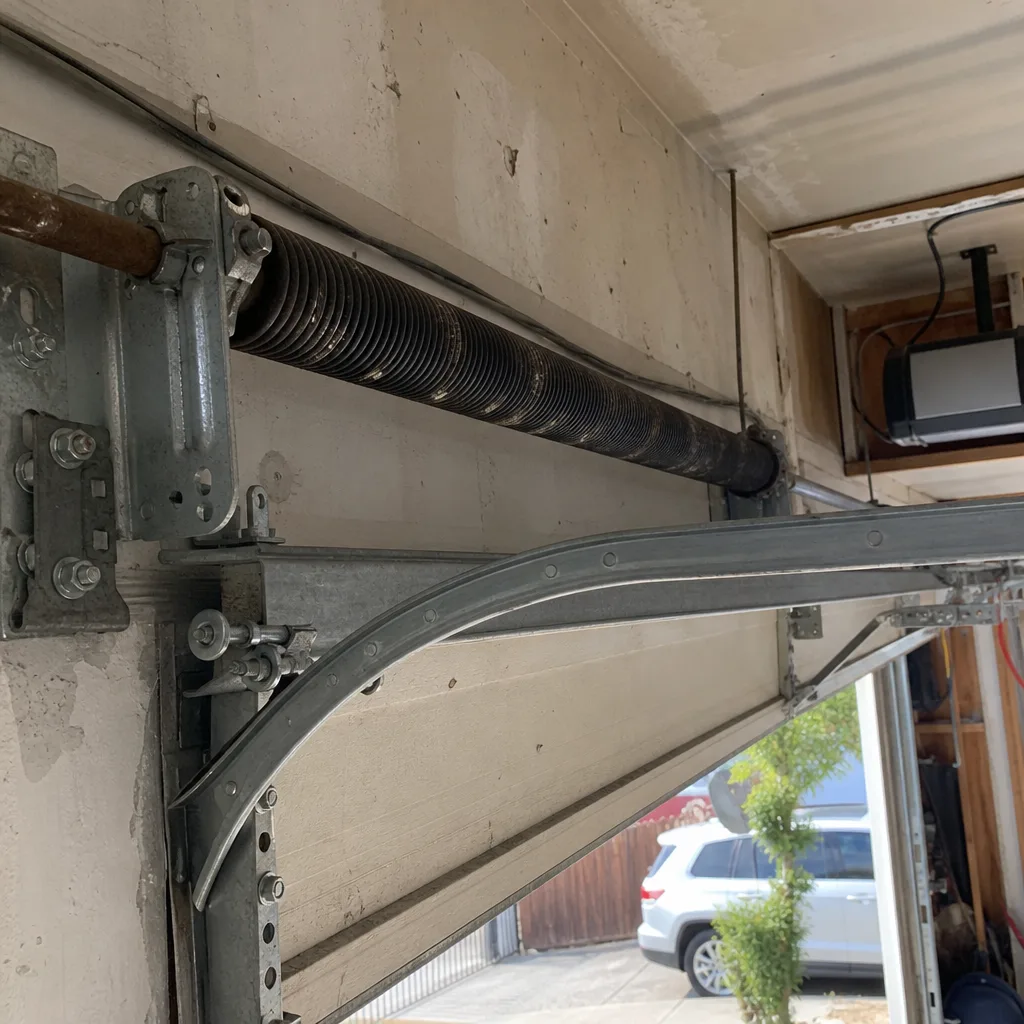 Before
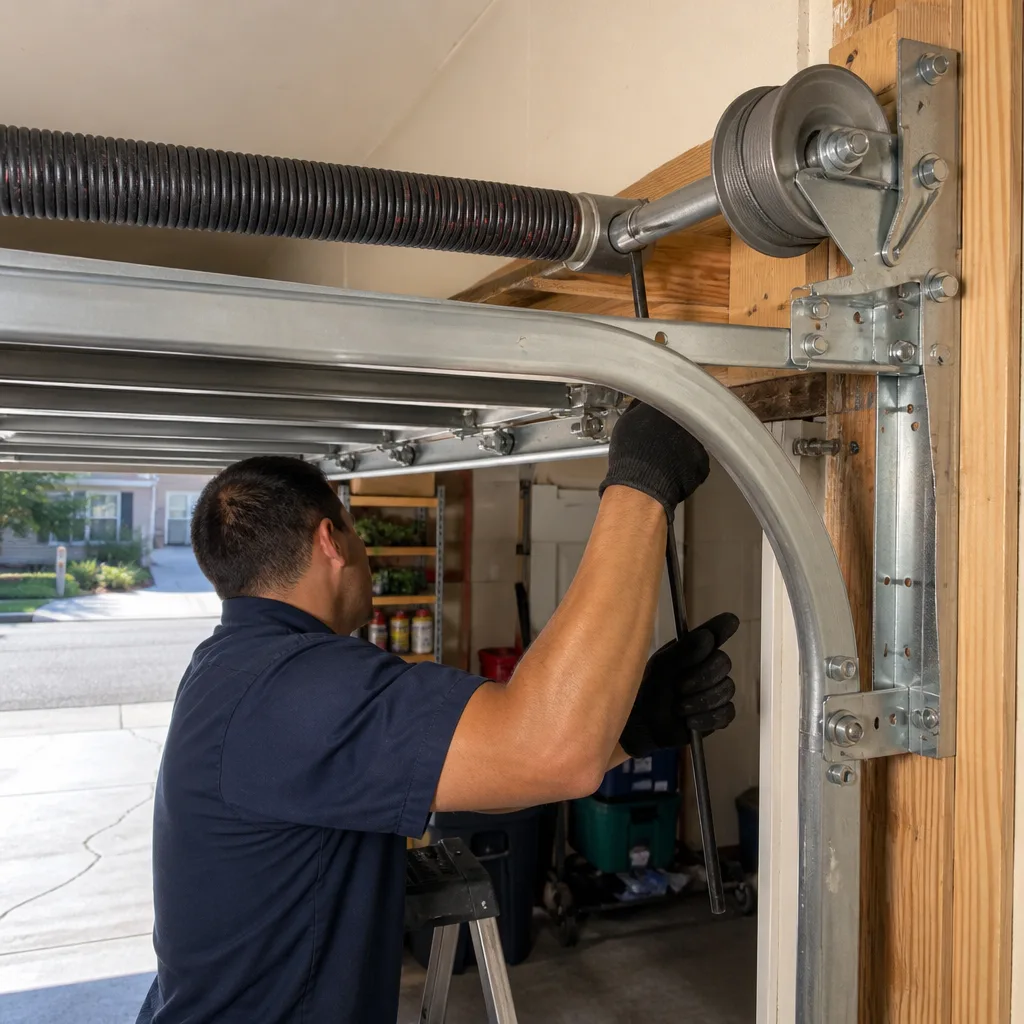 After
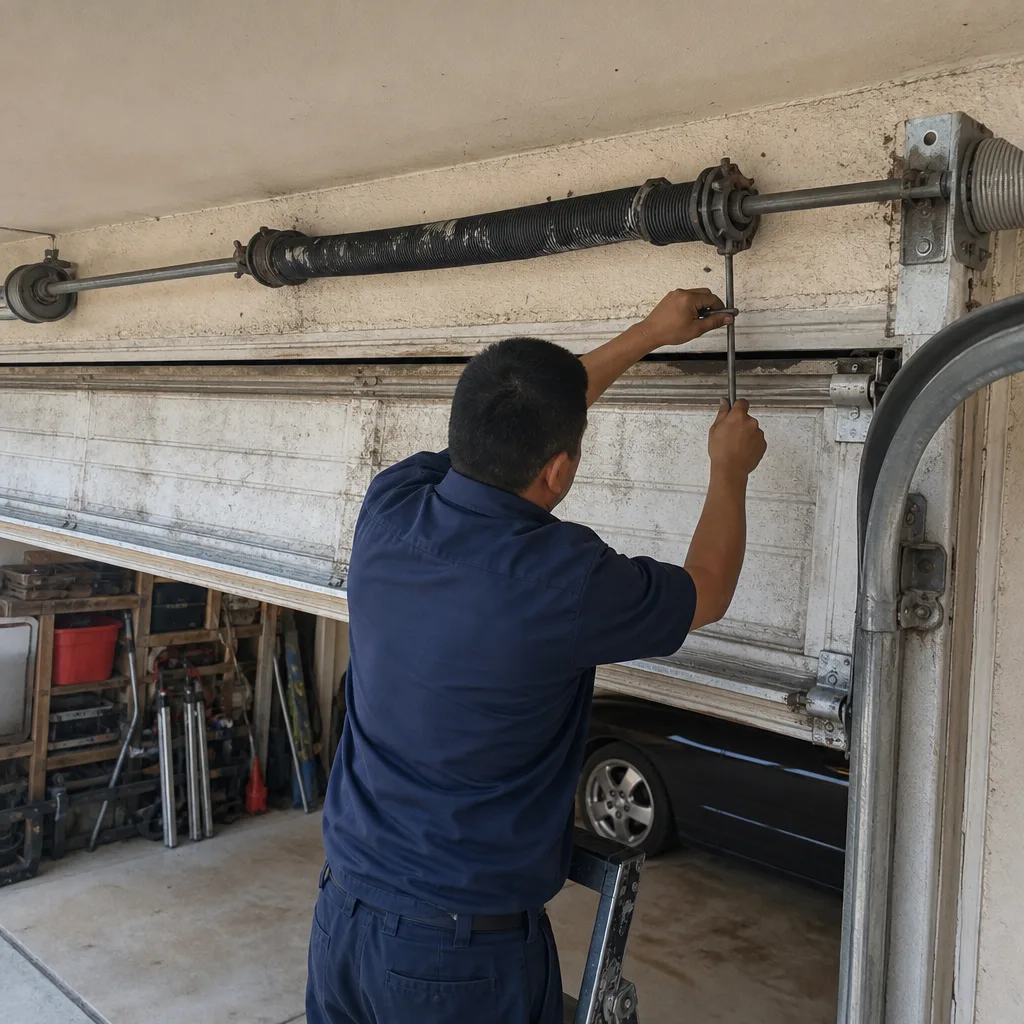 Before
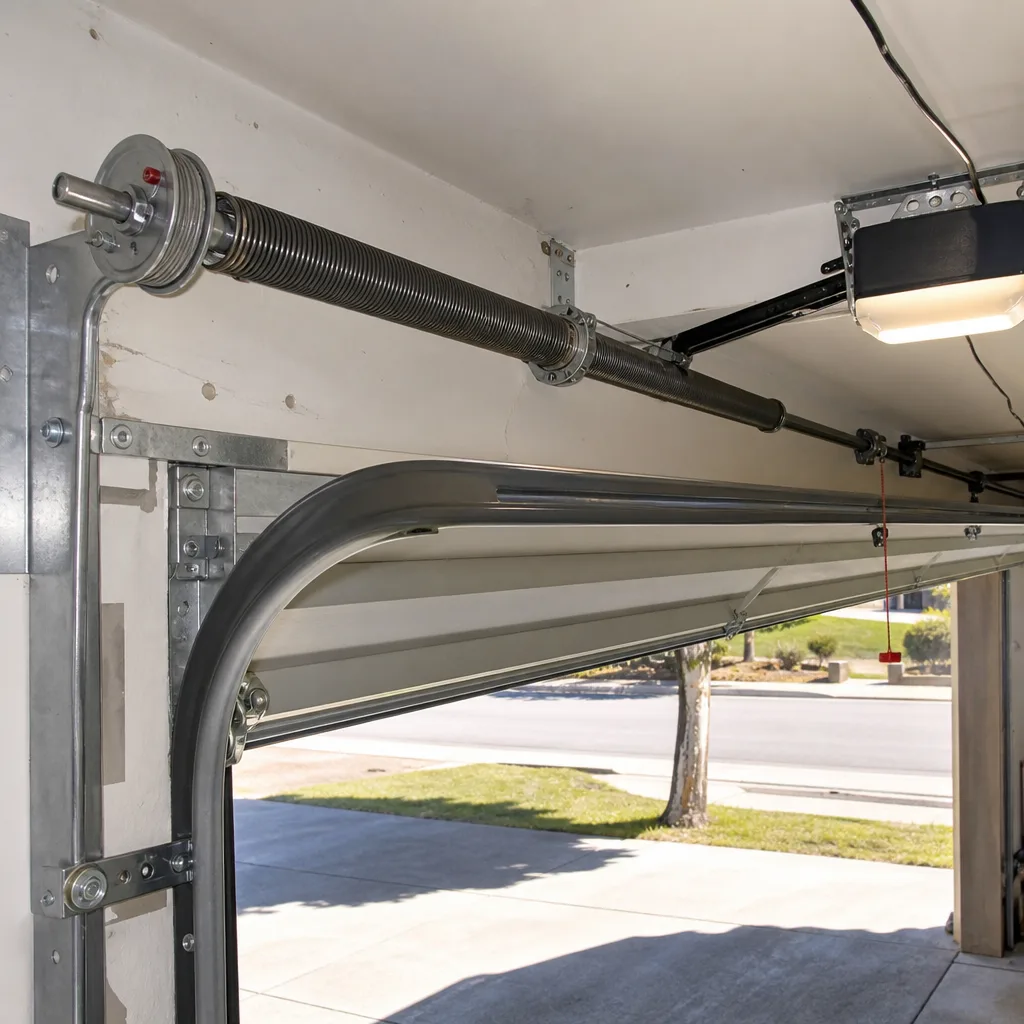 After
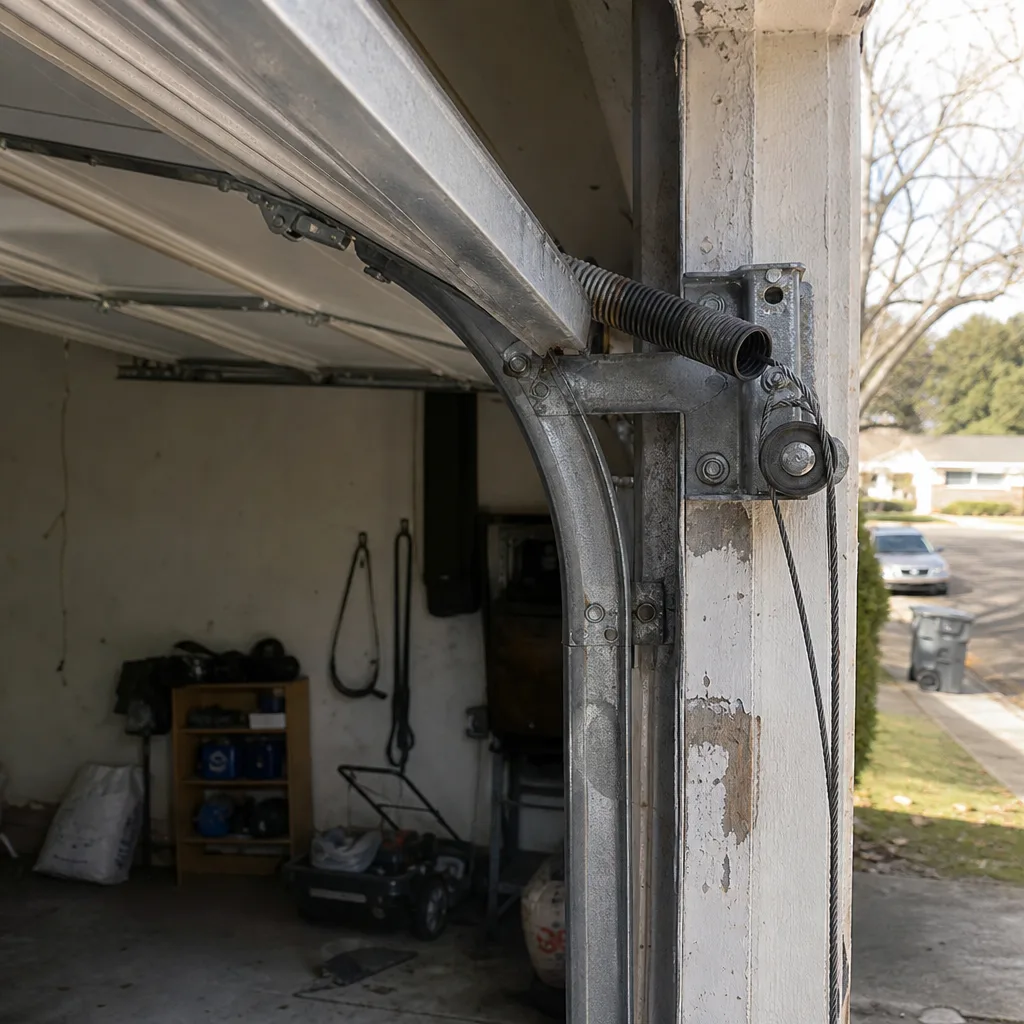 Before
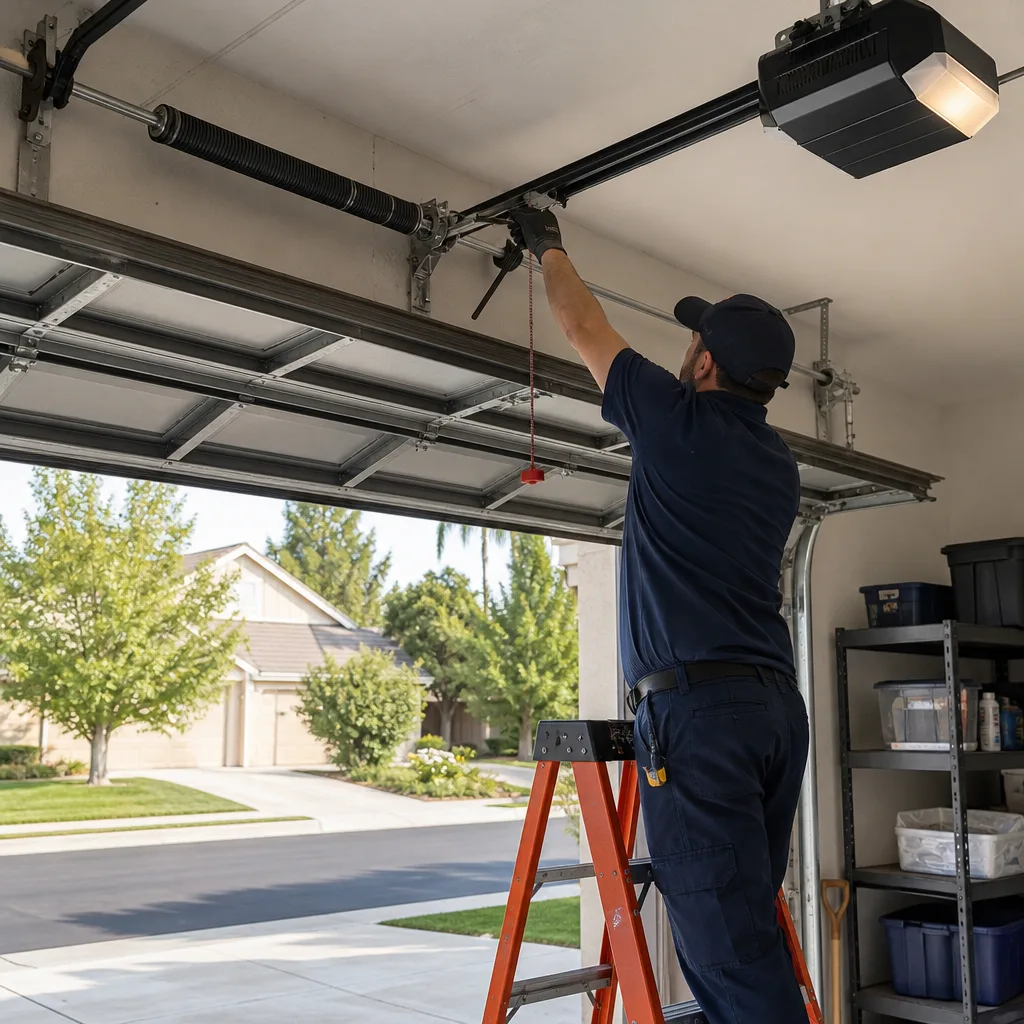 After