
Last updated October 30, 2026
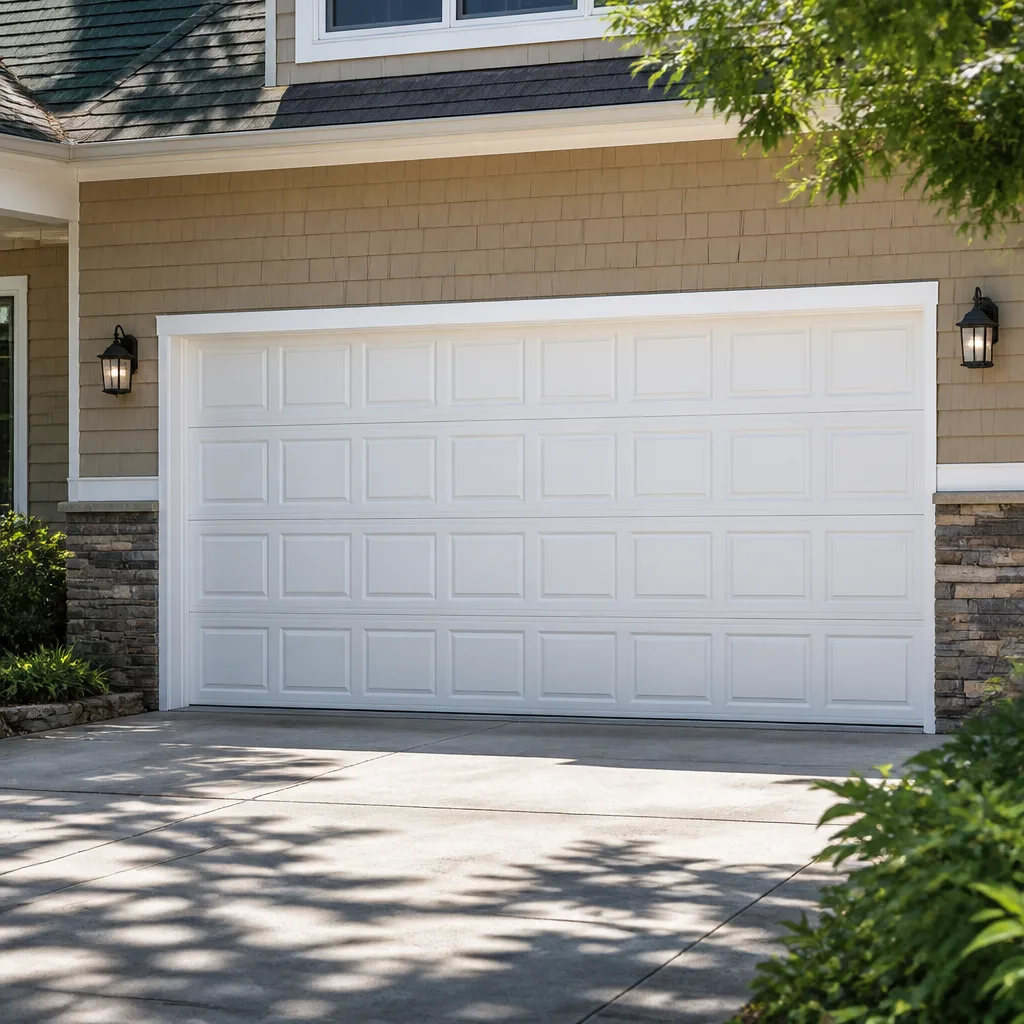 Raised-panel steel
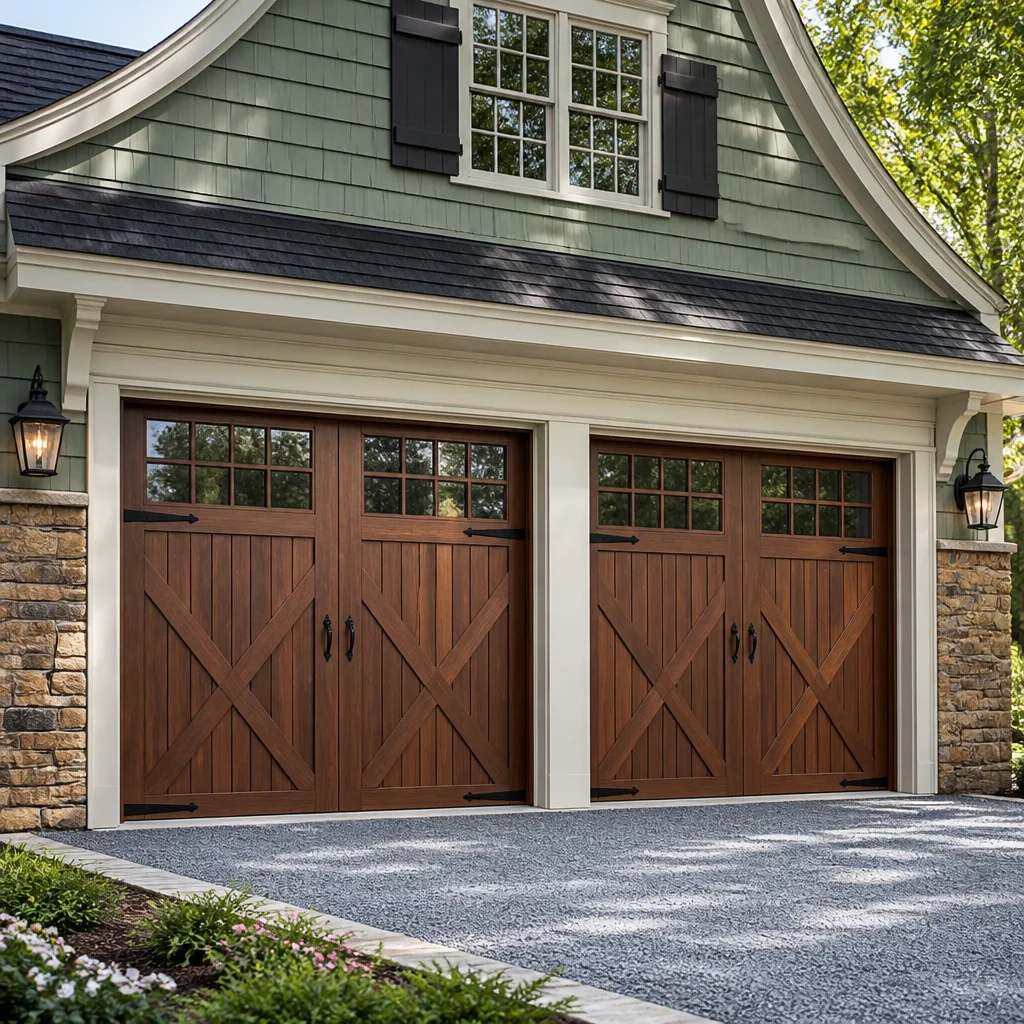 Carriage house
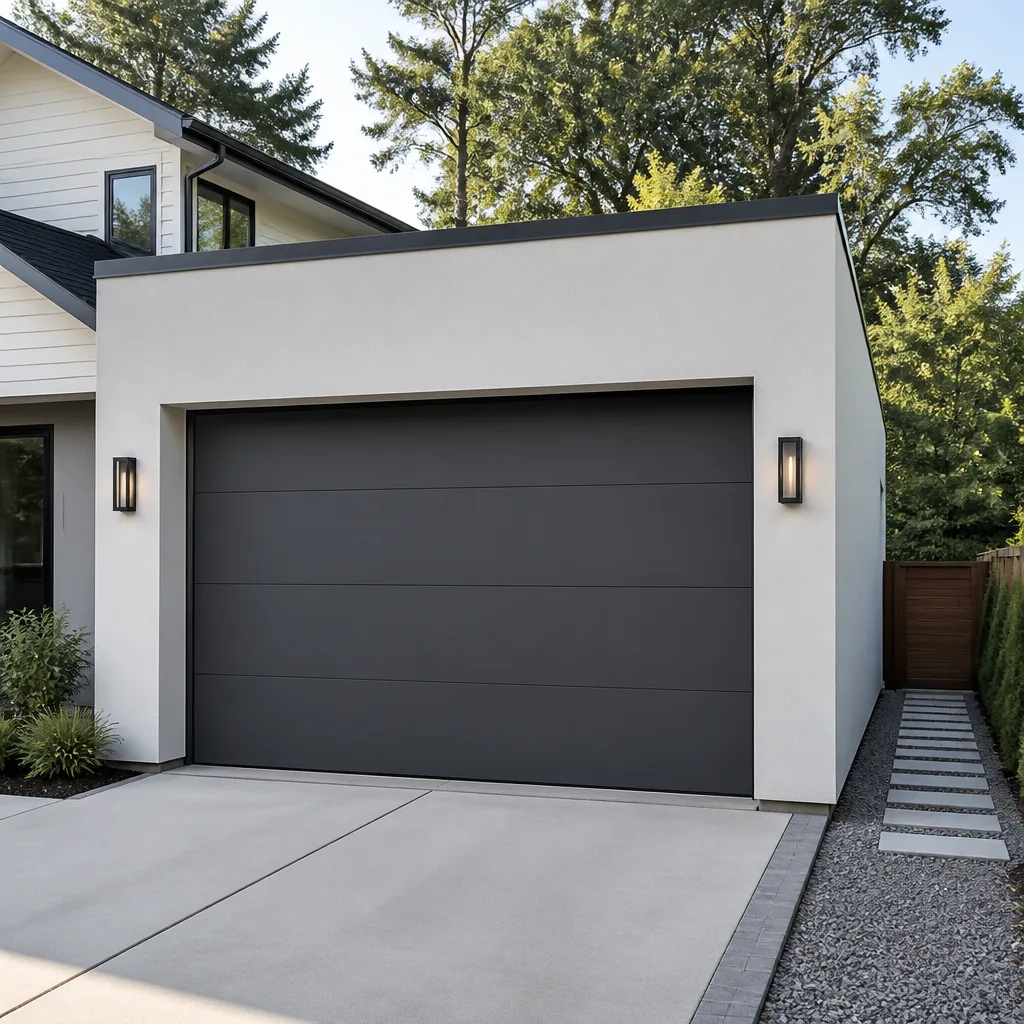 Modern flush
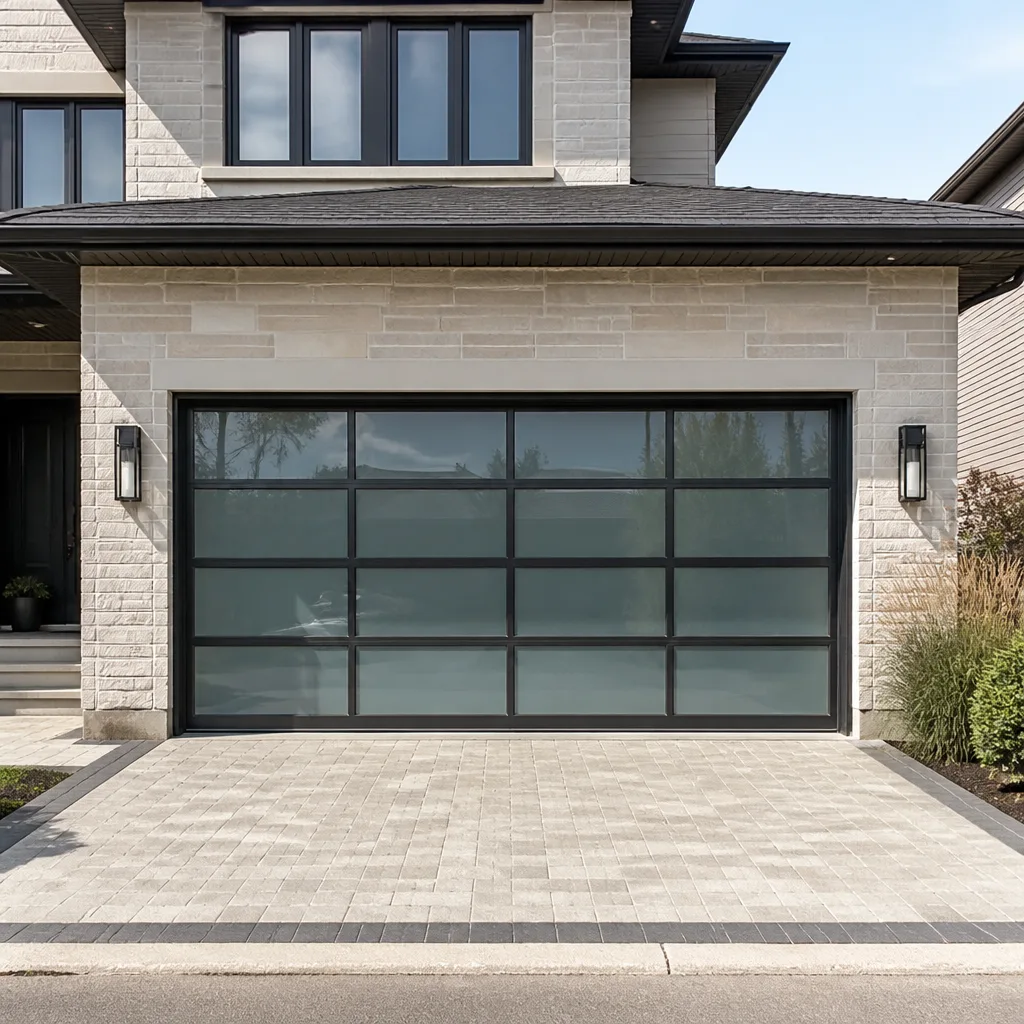 Full-view glass
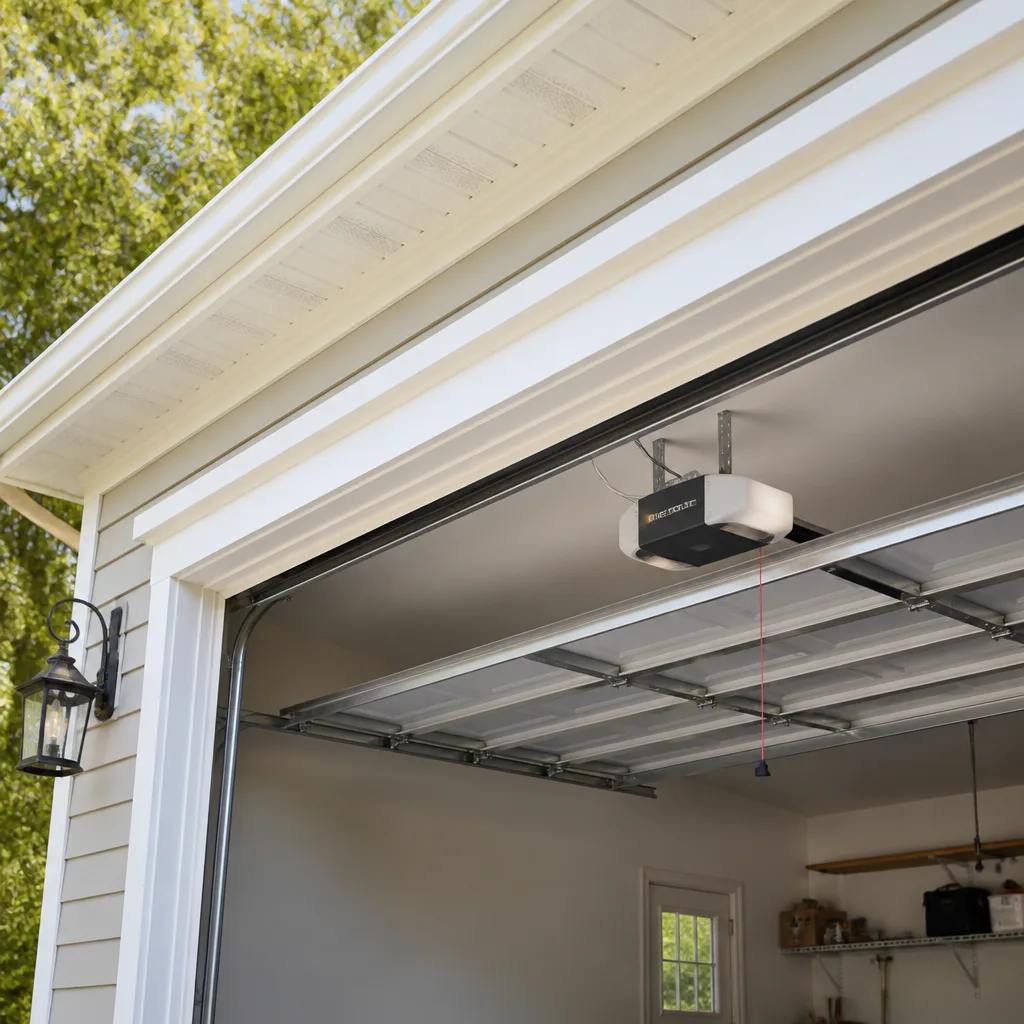 LiftMaster openers
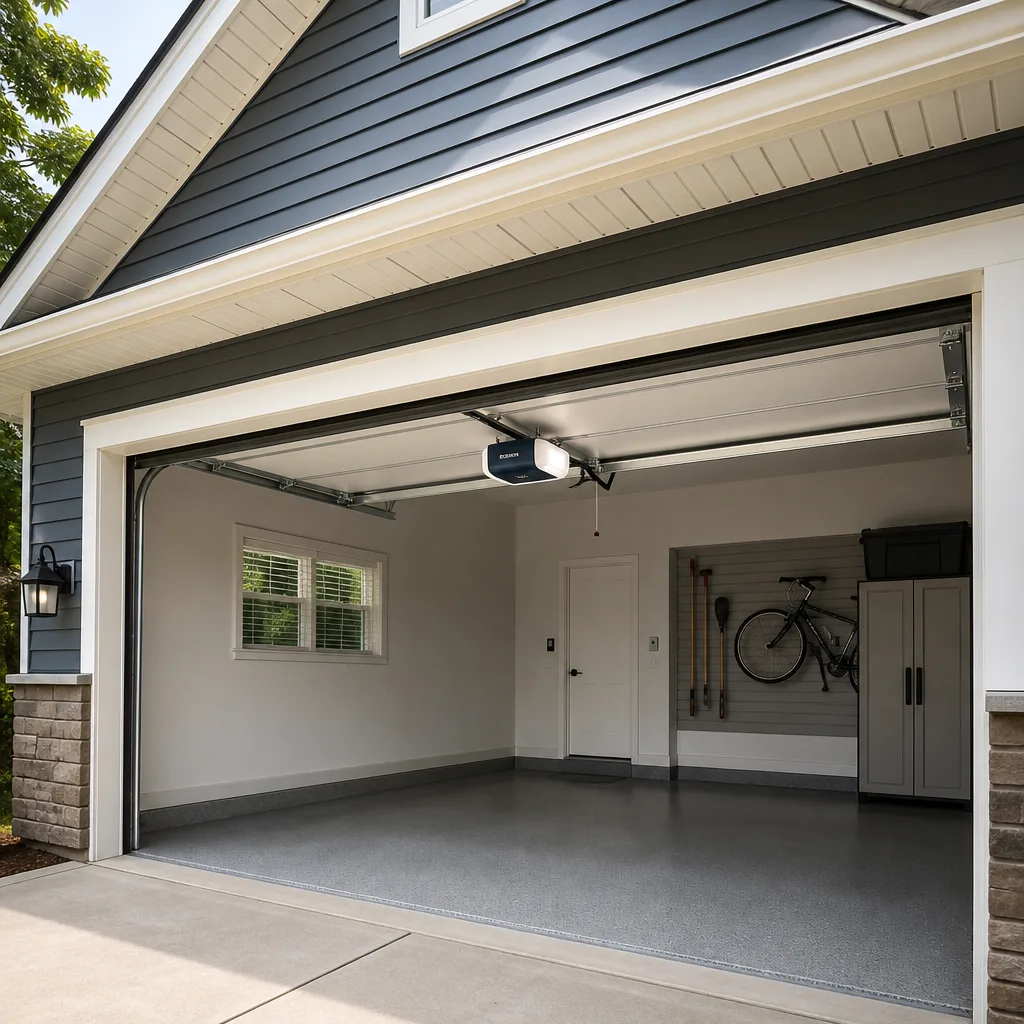 Chamberlain openers
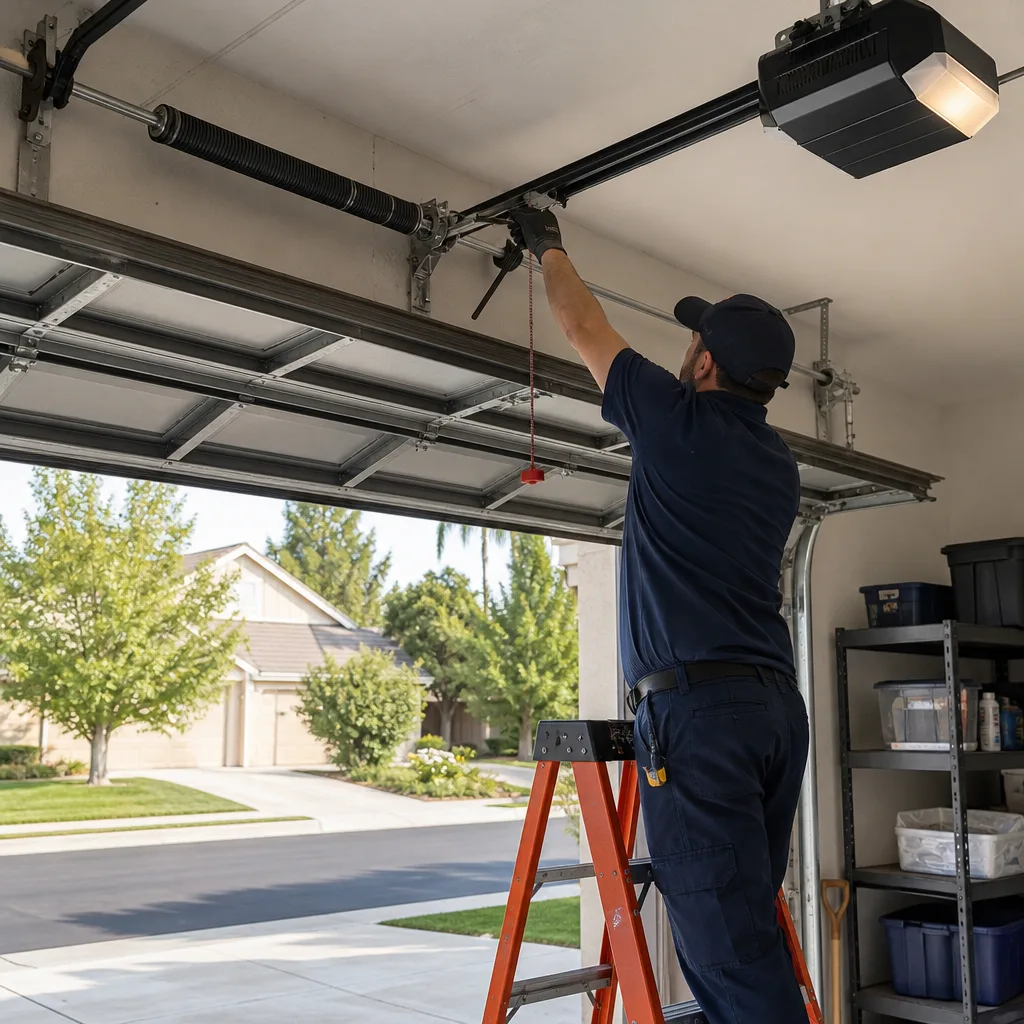
Full 25-point door and opener safety check with every visit - springs, cables, rollers, tracks, and your LiftMaster or Chamberlain opener included
You get a price before we start. It does not change when the truck arrives.
Get your free estimateGarage Door Repair Maintenance Checklist for Elk Grove Homeowners
Lubricating your rollers in July when it’s 107°F outside does more harm than good. Most standard garage door lubricants thin out and migrate at those temperatures, leaving metal-on-metal contact exactly when your door cycles most. Elk Grove’s climate doesn’t just stress garage doors – it punishes them in specific, predictable ways. This guide walks you through a maintenance checklist built around what actually happens to doors in this part of Sacramento County: triple-digit summer heat, tule fog moisture cycles, and soil that shifts beneath your foundation. By the end, you’ll know which tasks matter here, which products actually work in our heat, and when to stop fiddling with a door and call someone who works on these systems every day.
Quick Answer
A garage door maintenance checklist for Elk Grove homeowners should include seasonal lubrication with heat-stable products, bottom seal inspection before tule fog season, door balance testing twice a year, track and hardware inspection for rust, opener force-limit calibration quarterly, and a visual check for frame settling caused by expansive clay soil. Most homeowners can handle 6 of these 10 maintenance tasks safely; anything involving springs, cables, or frame realignment should go to a garage door repair specialist.
Styles & brands we work with
Table of Contents
- Why Elk Grove’s Climate Demands a Different Maintenance Approach
- Temperature-Specific Lubrication: What Actually Holds Up Above 100°F
- Tule Fog Season Preparation (November – February)
- How to Test Door Balance Correctly: The Balanced-Point Diagnostic
- Soil Settlement and Frame Alignment: What Red Clay Does to Your Door
- Opener Force-Limit Calibration: The Quarterly Task Nobody Does
- The Complete Seasonal Maintenance Schedule
- Common Mistakes to Avoid
- When to Call a Professional
- Frequently Asked Questions
Why Elk Grove’s Climate Demands a Different Maintenance Approach
Elk Grove sits in USDA Hardiness Zone 9b, but what matters for your garage door isn’t what you’re planting – it’s the thermal cycling your door goes through every summer day. A garage door is the largest moving object in your home, and in Elk Grove it’s also the one absorbing the most direct solar load. In July and August, west-facing doors in neighborhoods like Laguna West and Sheldon can reach surface temperatures of 140°F or higher by mid-afternoon. That heat does three things simultaneously: it breaks down lubricants, it causes metal tracks and panels to expand, and it accelerates fatigue in torsion springs that are already under constant tension.
Then November arrives, and the tule fog settles into the Central Valley for weeks at a time. Relative humidity inside an unsealed garage can hover at 80% or higher for days on end. Bare steel hardware – hinges, track brackets, bottom fixtures – starts showing surface rust within a single fog season if left unprotected. Homeowners who moved here from drier climates often don’t anticipate this. We see the same pattern every year in Elk Grove: doors that ran fine through September start binding, squealing, or dragging by mid-January because moisture got into places heat had already weakened.
Add to that the soil. Elk Grove sits on a mix of San Joaquin series clay loam and expansive clay soils that swell when wet and shrink when dry. Your garage slab and the framing above it move seasonally, even if you never notice cracks in the driveway. When the header above the door shifts by even a quarter inch, the tracks stay mounted where they are – but the door panels no longer line up square to them. That’s when you start seeing uneven wear on rollers, stripped hinges, and openers working harder than they should.
This checklist exists because a generic maintenance PDF doesn’t account for any of that. Every item below earns its place by addressing a stressor that’s specific to how doors actually fail in this city. For a deeper look at the mechanical systems involved, our Garage Door Repair in Elk Grove page covers the common failure modes we diagnose most often here.
Temperature-Specific Lubrication: What Actually Holds Up Above 100°F
Most homeowners reach for WD-40 or a can of white lithium spray and assume they’ve done the maintenance. In Elk Grove summers, that’s not just ineffective – it’s counterproductive. WD-40 is a solvent and water displacer, not a long-term lubricant. Spray it on your rollers in June and by the second week of a triple-digit stretch, it’s gone. White lithium fares slightly better, but in our experience it attracts red-clay dust and road grit that turns it into a grinding paste within weeks.
What actually works in the Central Valley summer is a silicone-based lubricant or a garage-door-specific product with a viscosity that holds above 100°F. These products don’t migrate the way petroleum-based sprays do, and they won’t gum up in the cold either. The two key surfaces that need lubrication in an Elk Grove door are the roller bearings and the hinge pivot points. Do not lubricate the track itself – a lubricated track invites the roller to slide rather than roll, which accelerates flat-spotting.
Here’s the temperature-aware lubrication routine we recommend for Elk Grove homeowners:
- Use a silicone-based spray or garage-door-specific lube – avoid WD-40, penetrating oils, or general-purpose grease on rollers and hinges.
- Apply in spring (April) and fall (October) – not in July. If you missed spring, wait for a cool morning below 80°F. Applying at 100°F plus means the solvent carrier flashes off before the lubricant settles.
- Target the roller bearings, not the wheel surface – a drop where the roller stem meets the bearing, plus one on each hinge pivot. Wipe excess immediately.
- Check for black dust before you lube – fine black powder around the rollers means the bearings are already failing. Lubricant won’t save them; replacement will.
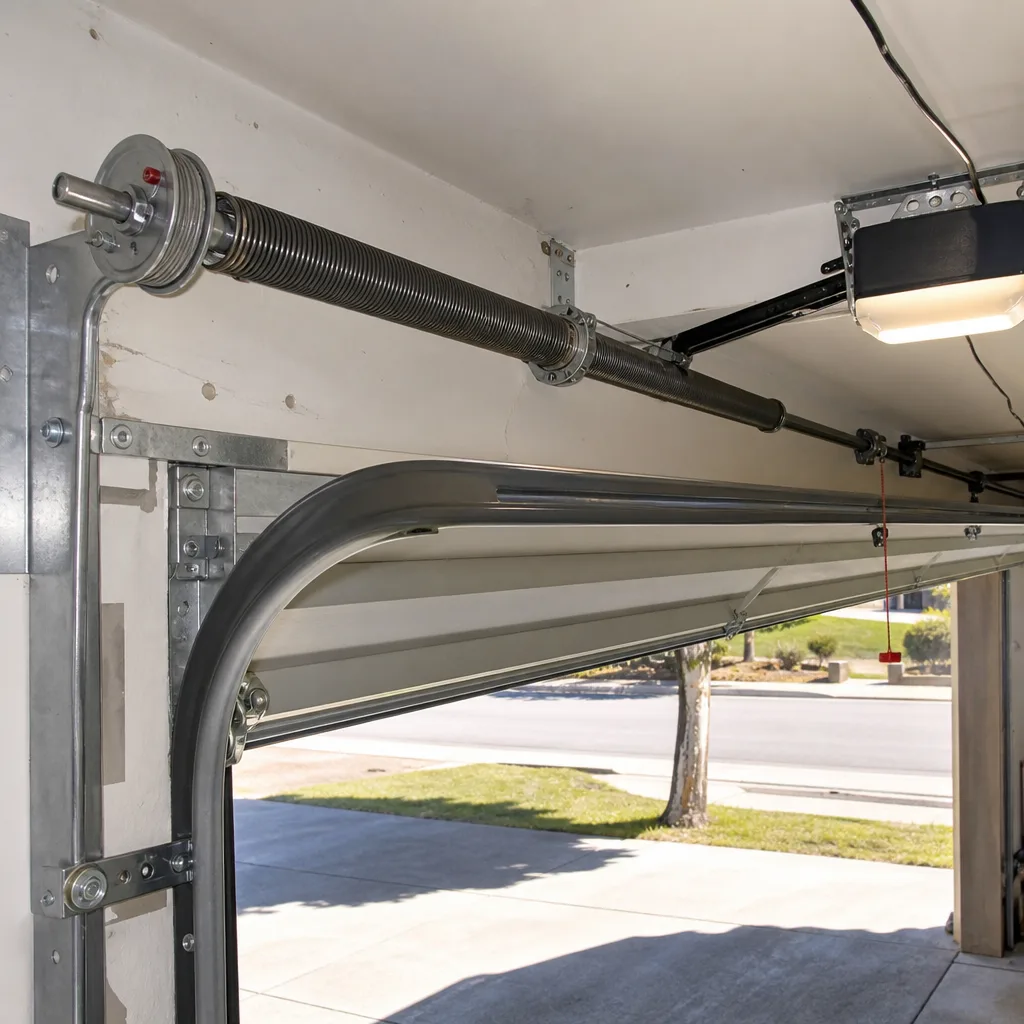
- Spray the torsion spring lightly with a quality garage-door lube – this quiets coil noise and slows surface rust. Never touch or adjust the spring itself.
One more Elk Grove-specific note: if you park on a red-clay driveway or live near any of the city’s newer developments where construction dust is still settling, check your rollers for accumulated grime before lubricating. Adding fresh lubricant on top of caked clay creates a paste that seizes bearings. Wipe first, then lube.
Tule Fog Season Preparation (November – February)
Tule fog is Elk Grove’s quietest seasonal threat to garage doors. Unlike a storm, it doesn’t announce itself with noise – it just sits for days, raising ambient humidity inside your garage to levels that would make a coastal garage blush. Any bare metal surface becomes a candidate for oxidation, and any rubber or vinyl component that’s already sun-damaged from summer becomes a moisture entry point.
The most important fog-season task is the bottom seal inspection. That U-shaped strip of rubber or vinyl on the bottom of your door is the barrier between your garage floor and everything that settles near it – fog condensation, rain splashback, and the fine silt that blows in off dry soil. When the seal is cracked, flattened, or missing sections, moisture gets under the door and attacks the bottom panel’s steel core from inside. On a LiftMaster opener with a Chamberlain-made door, or really any steel-section door, rust that starts at the bottom panel’s interior face is rust you won’t see until the panel is structurally compromised. We’ve replaced more bottom panels in January in Elk Grove than any other month.
Fog-season checklist items, in order of priority:
- Bottom seal inspection (November, before fog settles in) – look for flattening, cracks, tears, or gaps at the corners. A seal should compress evenly across the full width of the door. If it’s hard and brittle from summer heat, replace it before moisture season.
- Rust-prone hardware zones – inspect hinge plates, track brackets, and the bottom fixture bolts. Surface rust on hardware is normal after a few fog seasons; pitting or flaking is not. Wire-brush light corrosion and apply a rust-inhibiting product, or have the hardware replaced.
- Moisture intrusion at the header – run a finger along the top of the door frame on a foggy morning. If it’s damp inside, the exterior weatherstripping at the header has failed and condensation is wicking into the framing. This is a common source of warped headers in Elk Grove homes built before modern flashing standards.
- Opener chain or belt check – high humidity makes chains surface-rust faster. A chain that’s already been neglected through summer will start throwing rust dust onto the rail in January. If your Chamberlain opener’s chain looks dry or speckled, that’s a maintenance item now, not in spring.
- Lubricate sparingly, if at all – fog season is not the time for heavy lubrication. The moisture in the air will mix with fresh lubricant and encourage grime buildup. One light application in October, then hold off until spring.
Connecting the seasons is the key insight: your summer neglect becomes a fog-season problem. A bottom seal that baked all summer in 100°F heat fractures by December. A hinge that ran dry through August is surface-rusted by February. Elk Grove maintenance isn’t about doing more – it’s about doing the right tasks at the right time of year.
How to Test Door Balance Correctly: The Balanced-Point Diagnostic
The one-handed lift test has become internet shorthand for checking garage door balance, and it’s misleading. Disconnect the opener, lift the door by hand, and when it stops and holds, that’s “balanced” – if it doesn’t, the springs need attention. The problem with this test is that it tells you whether a door is catastrophically unbalanced, not whether it’s correctly balanced. A door can hold at the halfway point and still be loading your opener with 15 extra pounds of lift force on every cycle, which shortens opener life and masks a weakening spring until the day it fails.
The accurate test is the balanced-point diagnostic. Here’s the step-by-step we teach homeowners because it reveals what the quick test misses:
- Disconnect the opener using the red emergency release handle, with the door in the fully closed position.
- Lift the door to the halfway point and slowly release your grip. Note where the door settles. It should hold at or near the midpoint – but this is just the starting reference.
- Lift the door from halfway to three-quarters and release again. The door should stay put. If it drifts upward, the springs are over-tensioned (less common but hard on the opener’s down cycle). If it drifts downward, they’re under-tensioned and getting weaker.
- Lower the door to one-quarter open and release. This is where weak springs reveal themselves most dramatically. A door with aging springs will drop hard from this position or won’t hold at all.
- Observe the drop from full open – close the door slowly by hand. Springs that are near failure often let the door “fall” through the last 12 inches rather than descending under controlled tension.
Do this test in spring and fall. A door that drifts downward from three-quarters open in October will be noticeably worse by March. The springs are always the highest-stress component in the system, and in Elk Grove’s heat they cycle more than the national average because garage doors get opened more when it’s 100°F outside and the garage is the coolest entrance to the house.
Important safety note: this diagnostic involves lifting and lowering the door manually, but it does not require touching springs, cables, or any component under tension. Those we never recommend a homeowner handle. The energy stored in a garage door torsion spring is enough to cause serious injury, and amateur adjustment is one of the most common causes of garage-related accidents. For guidance on identifying issues safely, see our Garage Door Repair Troubleshooting: Common Problems and How to Fix Them. Balance-test, don’t spring-adjust.
If you’d like someone else to run this diagnostic with a calibrated eye, our Garage Door Repair in Elk Grove technicians check balance on every service call, and we’ll tell you honestly whether the springs have life left or are entering the fatigue zone.
Soil Settlement and Frame Alignment: What Red Clay Does to Your Door
Every garage door is mounted to structure, and in Elk Grove the structure is sitting on expansive clay. When that clay absorbs winter moisture, it swells. When it dries out through the Sacramento Valley’s long dry season, it shrinks. The result is measurable vertical movement at the slab edges – sometimes as little as an eighth of an inch per year, sometimes enough to crack drywall, depending on soil composition and drainage around the foundation.
What does that have to do with your garage door? The door’s vertical tracks are anchored to the side jambs, which are tied to the slab. The header above the door spans that opening. If one side of the slab settles even slightly more than the other, the tracks are no longer perfectly parallel to each other. The door panels, which are rigid rectangles, now have to travel through a frame that’s slightly trapezoidal. That misalignment shows up as:
- Uneven roller wear – rollers on the lower or settled side flatten and develop flat spots faster than the other side.
- Hinge stress at the top section – the top panel is the first to show cracks or stress marks at hinge attachment points when the frame is out of square.
- Grinding or scraping sounds – metal-on-metal contact at a specific point in the travel cycle, often when the door passes through the frame’s tightest point.
- A visible gap between door and weatherstripping – on the settled side, the door may sit flush at the top but show daylight at the bottom, or vice versa.
- Opener strain – the opener’s force sensors compensate until they can’t, then the opener either reverses mid-cycle or burns out a gear.
- Heat accelerates spring fatigue – as torsion springs lose tension through thousands of cycles in high heat, the door becomes heavier to lift. The opener compensates by working harder, but its limits stay fixed. Recalibration keeps limits matched to reality.
- Fog-season moisture changes track friction – a track that moved freely in October may drag in December when hidden rust blooms inside the track. If your opener reverses in fog season, the force limit is often the first thing to check before you assume a mechanical failure.
- Replacement parts change the equation – if you’ve replaced rollers, hinges, or seals since the opener was installed, the door’s resistance profile changed. New parts move differently than old ones.
- Inspect and replace bottom seal if it shows any cracking from winter temperature swings.
- Lubricate rollers, hinges, and torsion spring with silicone-based lubricant.
- Run the balance-point diagnostic described above.
- Check and adjust opener force limits if the door feels different than it did in fall.
- Inspect all hinge bolts and track brackets for looseness; tighten as needed.
- Wire-brush any surface rust that appeared during fog season and apply rust inhibitor.
- Test the auto-reverse function with the 2×4 test.
- Inspect weatherstripping at the header, sides, and bottom; replace anything brittle from summer heat.
- Check for moisture intrusion at the header and around the side jambs.
- Lubricate lightly – one application before fog season, then hold through winter.
- Run the balance diagnostic again and compare results to spring; note any worsening drift.
- Check the opener chain or belt for slack and the rail for debris buildup.
- Inspect tracks for signs of rust blooming inside the channel; clean with a dry cloth if needed.
- Re-test force limits and auto-reverse.
- Listen to the door as it cycles. New squeaks, groans, or scraping sounds are early-warning signals.
- Visually inspect cables for fraying, especially near the bottom fixture.
- Look for daylight under the closed door – gaps mean the bottom seal has failed or the frame has shifted.
- Check that the door opens and closes without hesitation or mid-cycle reversal.
- Run the 2×4 auto-reverse test.
- Check opener force-limit settings against current door behavior.
- Inspect the emergency release mechanism; pull it and confirm smooth operation.
- Check for new cracks in the garage slab near the door, especially after a dry summer.
- Using WD-40 as a garage door lubricant. WD-40 is a solvent and rust penetrant, not a lubricant. In Elk Grove’s summer heat it evaporates within days, and in fog season it strips what little protection was there.
- Lubricating the track. The rollers are supposed to roll, not slide. A lubricated track on a dusty Elk Grove street collects grit that grinds roller bearings and accelerates wear.
- Over-tightening hinge bolts to “fix” a misaligned door. If the frame has settled, cranking down on hardware doesn’t address the root cause and eventually strips the threads or bends the bracket. Alignment, not force, fixes an out-of-square door.
- Trusting the one-handed lift test as a full balance check. A door can hold at the midpoint and still be loading your opener with excess force on every cycle. Learn the balanced-point diagnostic and use it twice a year.
- Ignoring opener reversing as an “annoyance.” When your LiftMaster or Chamberlain opener reverses for no obvious reason, it’s doing its job – telling you that force limits are out of calibration or something in the door has changed. Don’t bypass the safety mechanism to “fix” the problem.
- Replacing a bottom seal without cleaning the retainer channel. Red clay and road silt collect in the retainer, and a new seal installed over old grime doesn’t seat properly. Clean the channel, then install.
- Painting or lubricating rollers with consumer-grade products. Garage door rollers are engineered components, not door hinges. The wrong lubricant attracts dirt that destroys bearings, and paint on a roller stem causes binding in the track.
Early settlement doesn’t make a dramatic statement. It’s a quarter-inch gap at the bottom corner. It’s a roller that needs replacing 18 months sooner than its pair on the other side. It’s a track bolt that works loose every few months no matter how many times you tighten it. These are the signals that Elk Grove’s soil is telegraphing stress into the door assembly, and they show up long before the door “doesn’t work.”
Not every settlement issue means a foundation problem requiring a structural engineer. In many homes, particularly those built on post-tensioned slabs common to Elk Grove subdivisions, the movement is seasonal and the door can be realigned to accommodate it. Track adjustment, bracket shimming, and roller replacement are garage-door work, and they’re the kind of work that restores function without touching the underlying slab. But ignored misalignment never self-corrects, and the damage compounds.
The frame-alignment check belongs on your twice-yearly maintenance pass. Look at the door when it’s halfway open and compare the gap between panel edge and track on both sides. Look at the top section when the door is fully open and note whether the header trim contacts the door evenly. These are simple observations that catch settlement-driven misalignment before it turns into a Garage Door Installation in Elk Grove-level project.
Opener Force-Limit Calibration: The Quarterly Task Nobody Does
Your garage door opener has two force-limit adjustments – one for the open cycle, one for the close cycle – and their job is to tell the opener how much resistance is normal. When the door encounters more than the set limit, the opener reverses. That’s the safety mechanism that prevents a closing door from crushing a pet, a child, or a trash can.
Here’s what almost nobody does: recalibrating those limits as the door ages. A properly calibrated opener from three years ago is now running against a door with worn rollers, tired springs, and hinges that don’t pivot as smoothly as they did when new. The physical effort required to move the door has changed, but the opener’s force limits haven’t. Set too high, the opener will push through resistance it should stop for – a genuine safety issue. Set too low, and the opener reverses mid-cycle for no apparent reason, which is one of the most common “my opener is broken” calls we get in Elk Grove.
We recommend checking force limits quarterly, and here’s why it matters more in Elk Grove than in milder climates:
To check force limits: consult your opener’s manual for the location of the adjustment screws or digital settings (LiftMaster and Chamberlain units typically place them on the side or back of the powerhead; Craftsman units follow a similar layout). The test is simple – with the door closed, press the wall button to open it, and place a piece of 2×4 lumber flat on the floor in the door’s path. Close the door. It should reverse within two seconds of contacting the wood. If it doesn’t reverse, your close force is set too high. If it reverses without touching the wood, it’s set too low.
This is a safe test that doesn’t require opening the powerhead or contacting any energized component. But if you’re unsure about which screws to adjust, or if your opener is a Raynor or Genie model with digital limits, a technician can recalibrate it in minutes during a standard service visit. The point is this: the limit that was right when the opener was installed is not necessarily right now.
For anything beyond simple adjustment – grinding gears, reversing that persists after recalibration, or a board that’s showing error codes – our Garage Door Opener Repair in Elk Grove page walks through what those symptoms mean and what it takes to fix them correctly.
The Complete Seasonal Maintenance Schedule
Putting everything together, here’s the full maintenance rhythm we recommend for a garage door in Elk Grove. If you do nothing else, hit the spring and fall passes. Those two check-ins catch 80% of the problems we see on service calls in this city.
Spring Pass (April – May, before the first 100°F week)
Fall Pass (October – November, before tule fog sets in)
Monthly (10 minutes)
Quarterly
Common Mistakes to Avoid
When to Call a Professional
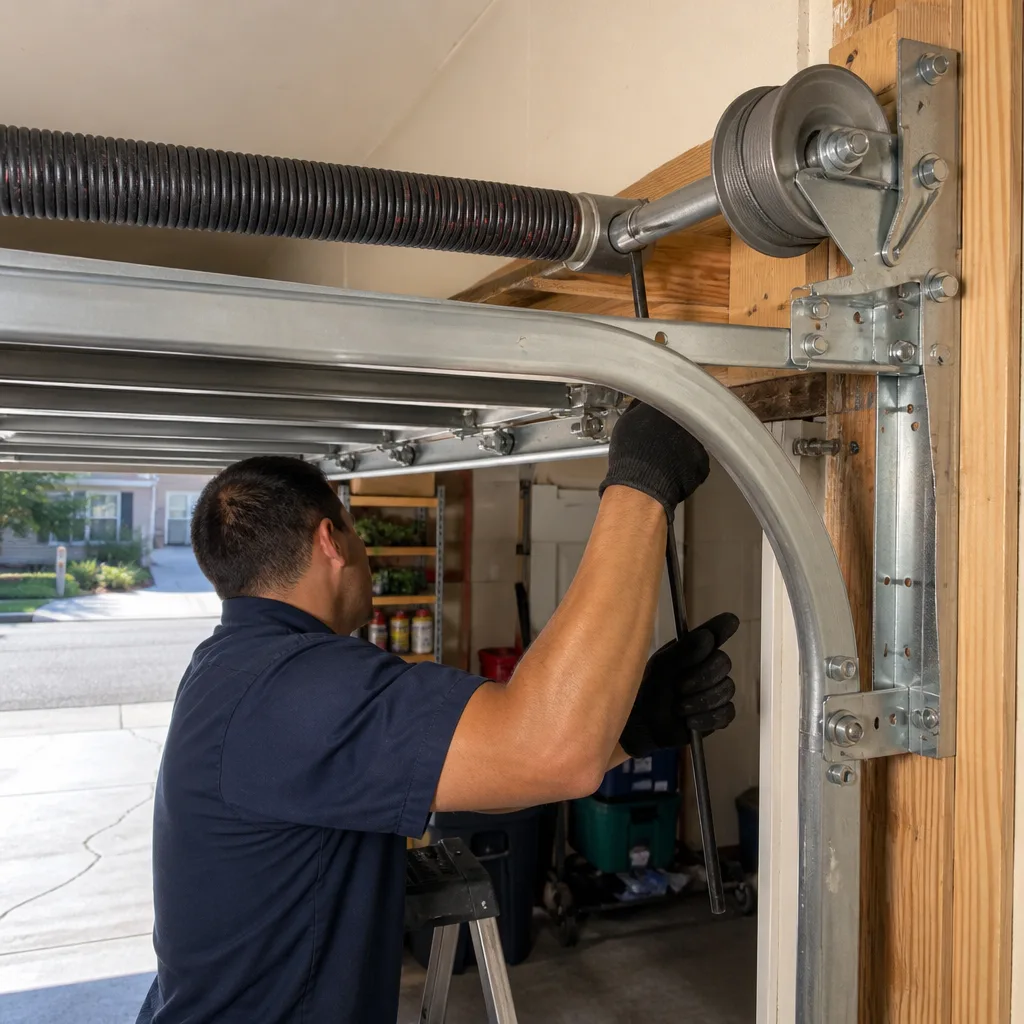
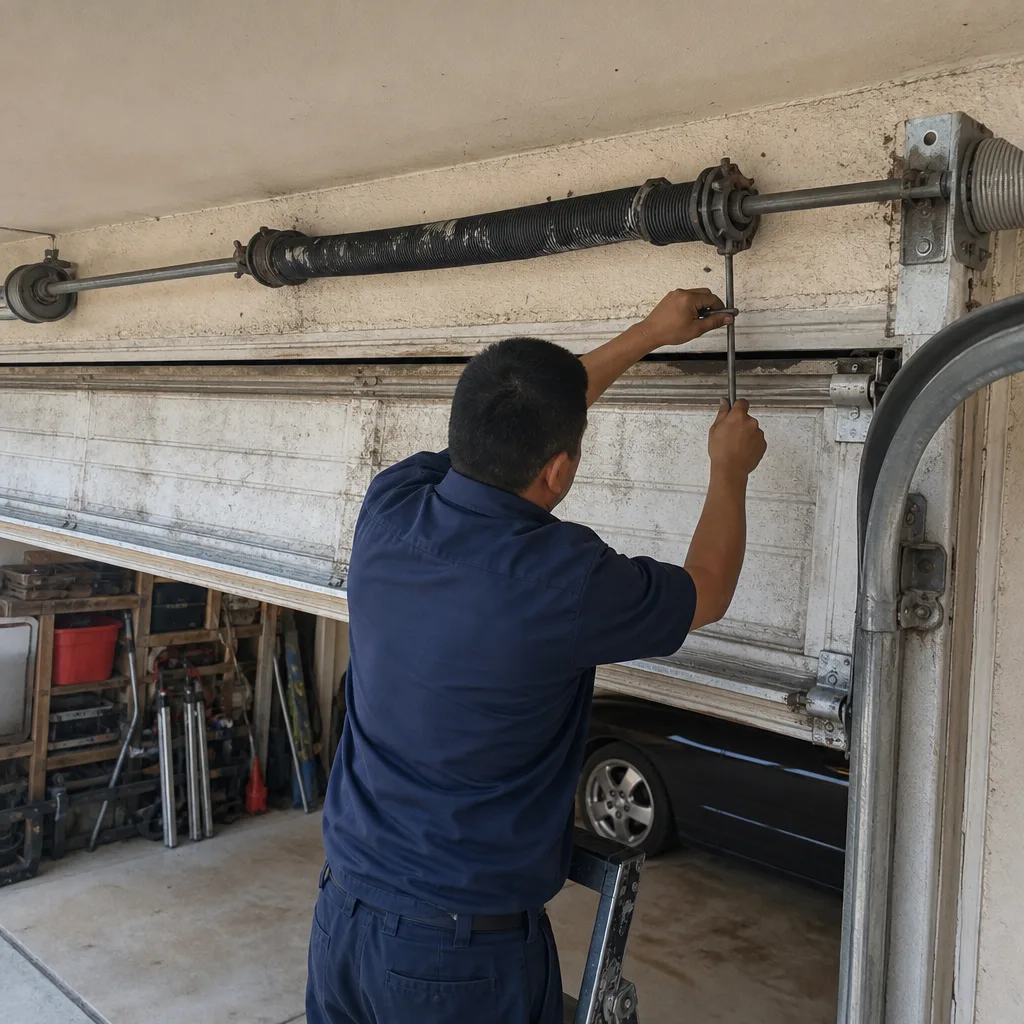
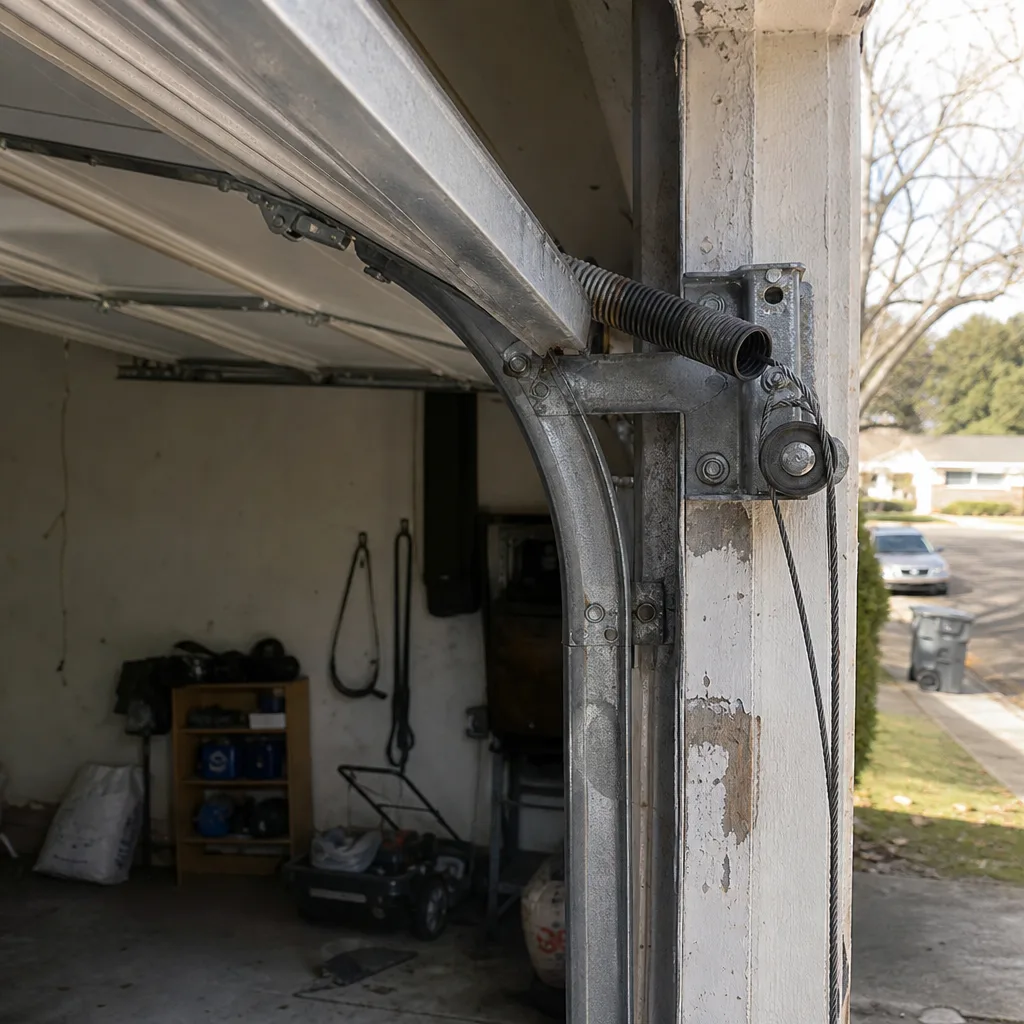
Some maintenance tasks are genuinely DIY-friendly, and we’ve covered those above. But there are hard lines: springs, cables, and frame realignment. For help spotting trouble before it escalates, read our Garage Door Warning Signs: A Elk Grove Homeowner’s Reference Guide. Torsion springs are under hundreds of pounds of tension, and the energy they release when mishandled is enough to break bones or worse. Cables that show any fraying are a days-from-failure problem, not a monitor-it problem. And a door that’s binding because the frame has settled needs track adjustment by someone who works on these systems every day.
We’re Artisan Garage Door Repair home and garage doors are all we do. We work on your brand – whatever it is. Whether it’s a LiftMaster opener that’s given up, a Clopay door with a rusting bottom panel, or a Craftsman opener that’s reversing every third cycle, our technicians work on all eight major garage door and opener brands and diagnose the system you already have, not the one someone wants to sell you. Artisan Garage Door Repair offers free estimates in Elk Grove – call (855) 631-8980 and we’ll tell you honestly whether it’s a maintenance fix or a replacement.
Frequently Asked Questions
Twice a year is the minimum for Elk Grove’s climate, with a spring pass before the first triple-digit week and a fall pass before tule fog season. Monthly visual and audible checks take about ten minutes and catch emerging problems between the two major passes. If you skip the fall pass, you’ll likely be chasing fog-season rust and moisture issues through winter.
A silicone-based lubricant or a garage-door-specific spray that maintains viscosity above 100°F works best in Elk Grove summers. Avoid WD-40, penetrating oils, and general-purpose greases, which thin out at Central Valley temperatures and leave roller bearings running dry. Apply in spring and fall, not during peak summer heat. Call (855) 631-8980 if you’d like specific product recommendations for your door’s components.
A door that drifts downward from the halfway point when released, drops hard through the last foot of closing, or feels noticeably heavier to lift by hand is showing classic spring-fatigue signs. In Elk Grove, springs cycle more in summer because garage doors get opened more often, which shortens their lifespan compared to national averages. Never attempt spring inspection or replacement yourself – the tension in a torsion spring is lethal if released improperly.
Winter reversals in Elk Grove usually mean the opener’s force limits are calibrated for summer conditions. Tule fog moisture increases track friction, making the door harder to move, so the opener senses resistance beyond its limit and reverses. Recalibrate force limits quarterly, or have a technician check them during a seasonal tune-up.
If the binding comes from a loose hinge or debris in the track, that’s often a DIY fix. But if one side of the door is binding because the slab has settled and the frame is out of square, realignment requires track adjustment and bracket shimming – work that belongs in the hands of a garage door specialist. Early intervention prevents roller and hinge damage that compounds the cost of the eventual repair.
A comprehensive maintenance visit that includes lubrication, balance testing, force-limit calibration, and hardware inspection typically runs $125 – $225 in Elk Grove, depending on the door’s condition and whether any parts need replacement. Repairs always have a quoted price before work begins. Call (855) 631-8980 for an exact quote – estimates are free.
The Bottom Line
Elk Grove’s garage doors fail in predictable ways because our climate stresses them in predictable ways. The summer heat destroys generic lubricants and accelerates spring fatigue. The tule fog season attacks everything the summer left exposed. And the expansive clay soil underneath our homes shifts frames out of alignment slowly, invisibly, until the door starts consuming rollers and opener gears. A maintenance routine built around these three local stressors – not a generic one-size-fits-all checklist – is what keeps a garage door running for years. Spring and fall passes, heat-stable lubrication, fog-season moisture protection, quarterly force-limit checks, and honest balance testing cover 80% of what goes wrong. The other 20% belongs to a professional, and when that time comes, hiring a garage-door-only specialist means the diagnosis is right the first time. For more guides & resources on keeping your door running smoothly, explore our blog. From a stuck spring to a full new installation – one call covers it.
Written by the team at Artisan Garage Door Repair, serving Elk Grove since 2014.
See the difference
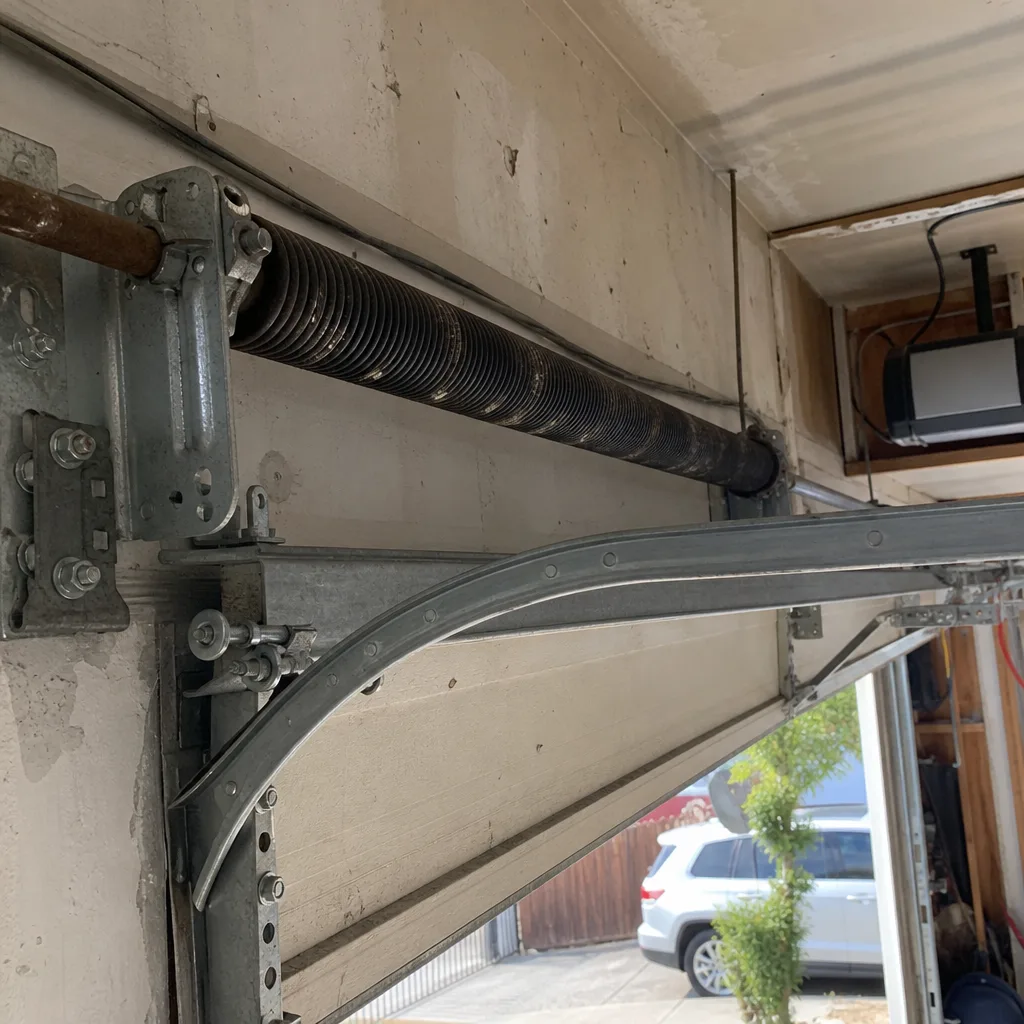 Before
 After
 Before
 After
 Before
 After