

Last updated October 30, 2026
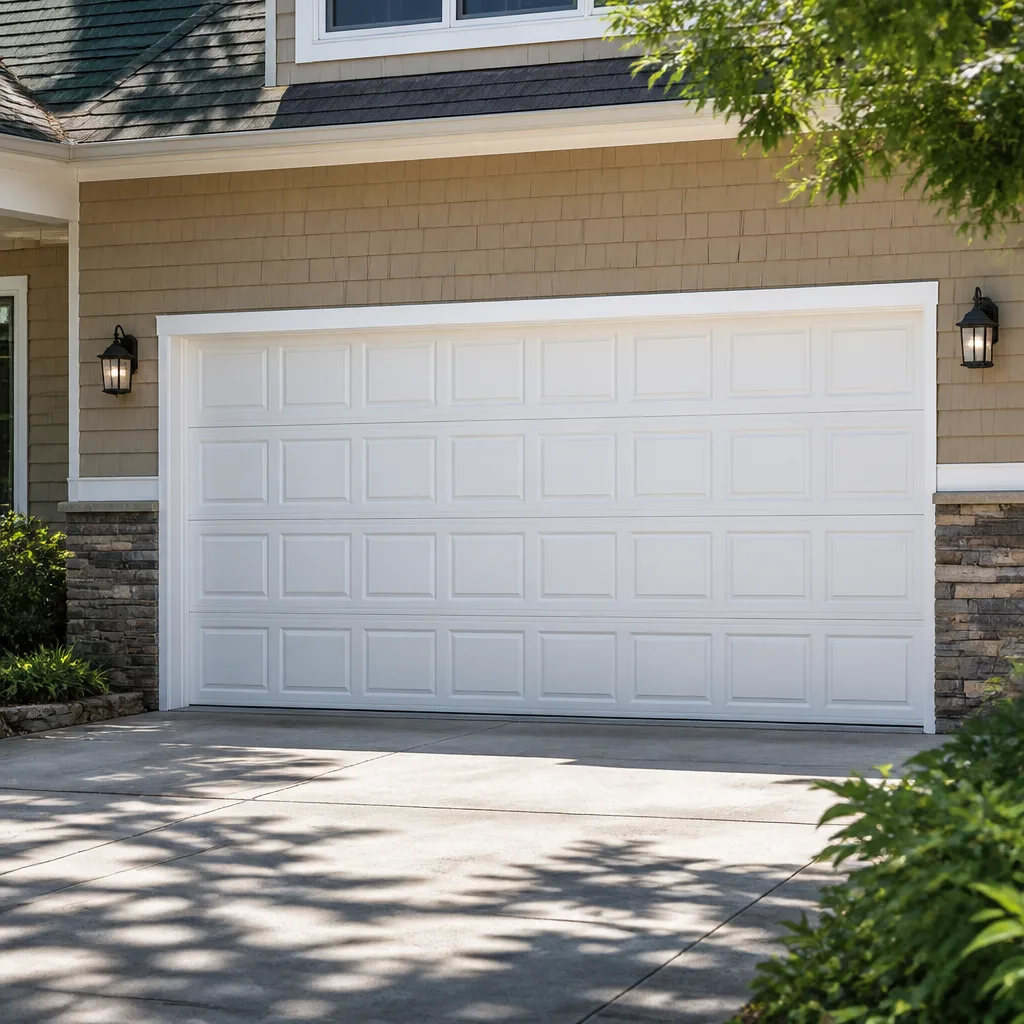 Raised-panel steel
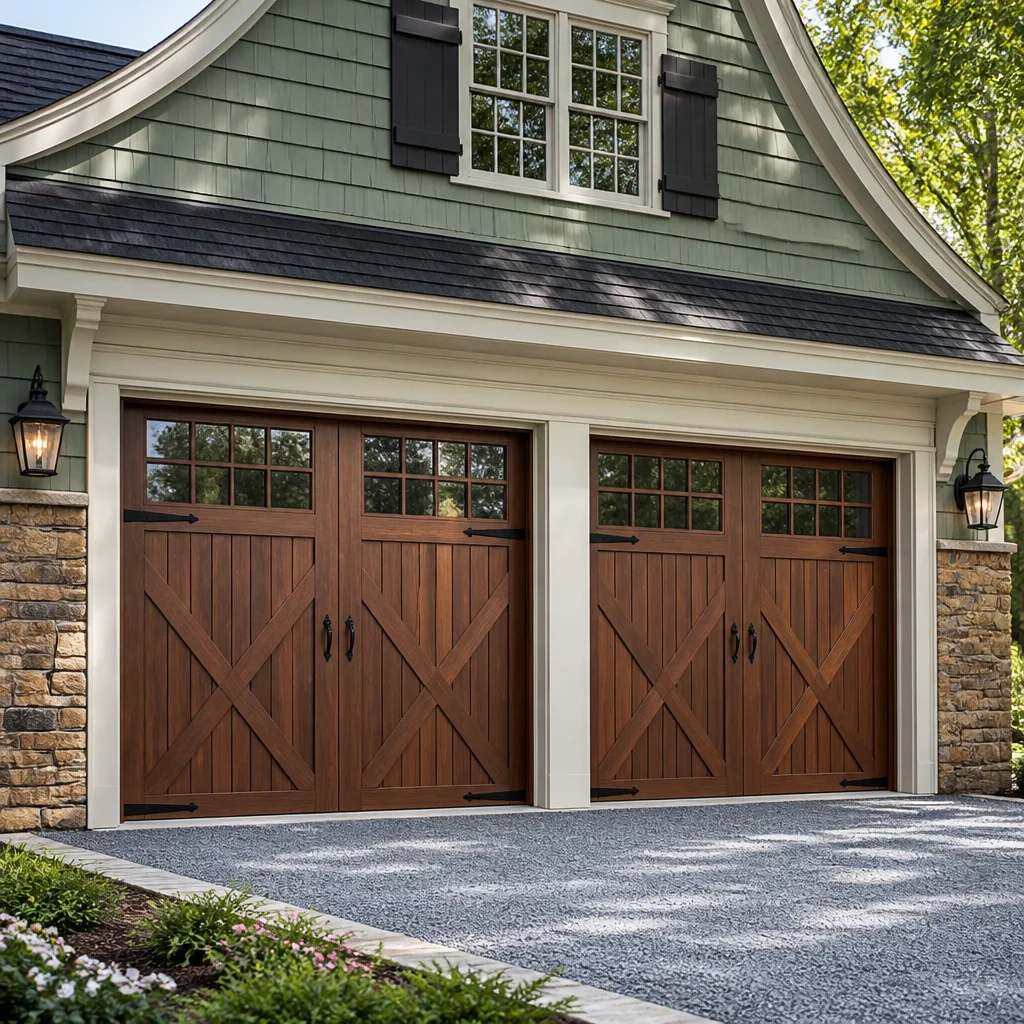 Carriage house
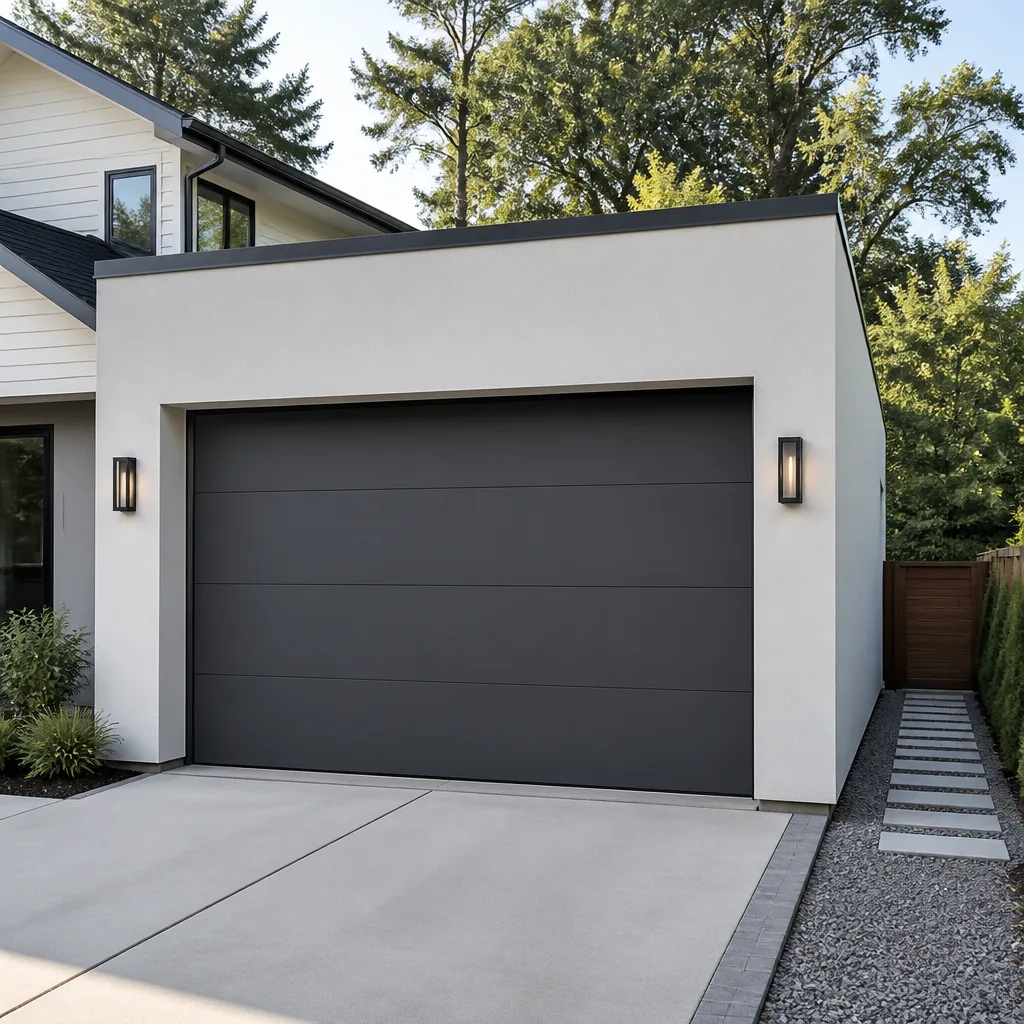 Modern flush
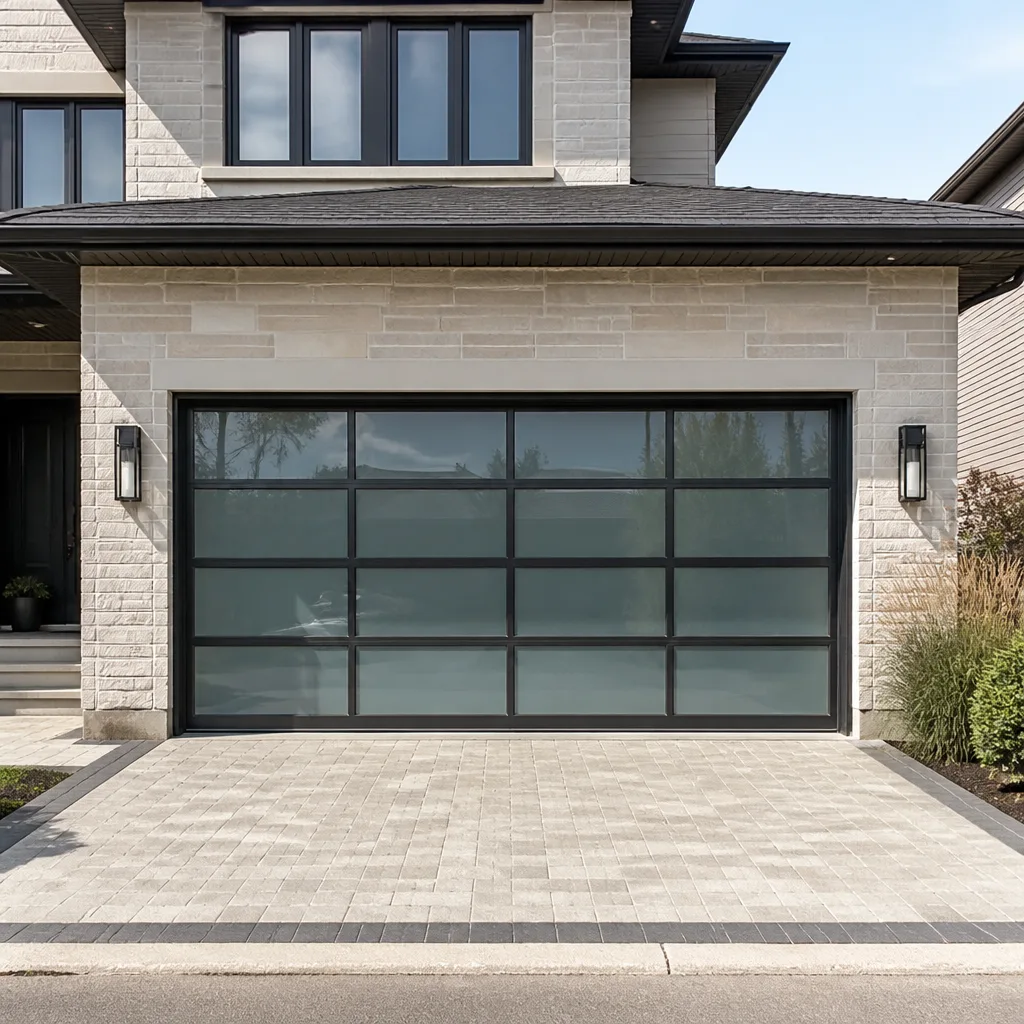 Full-view glass
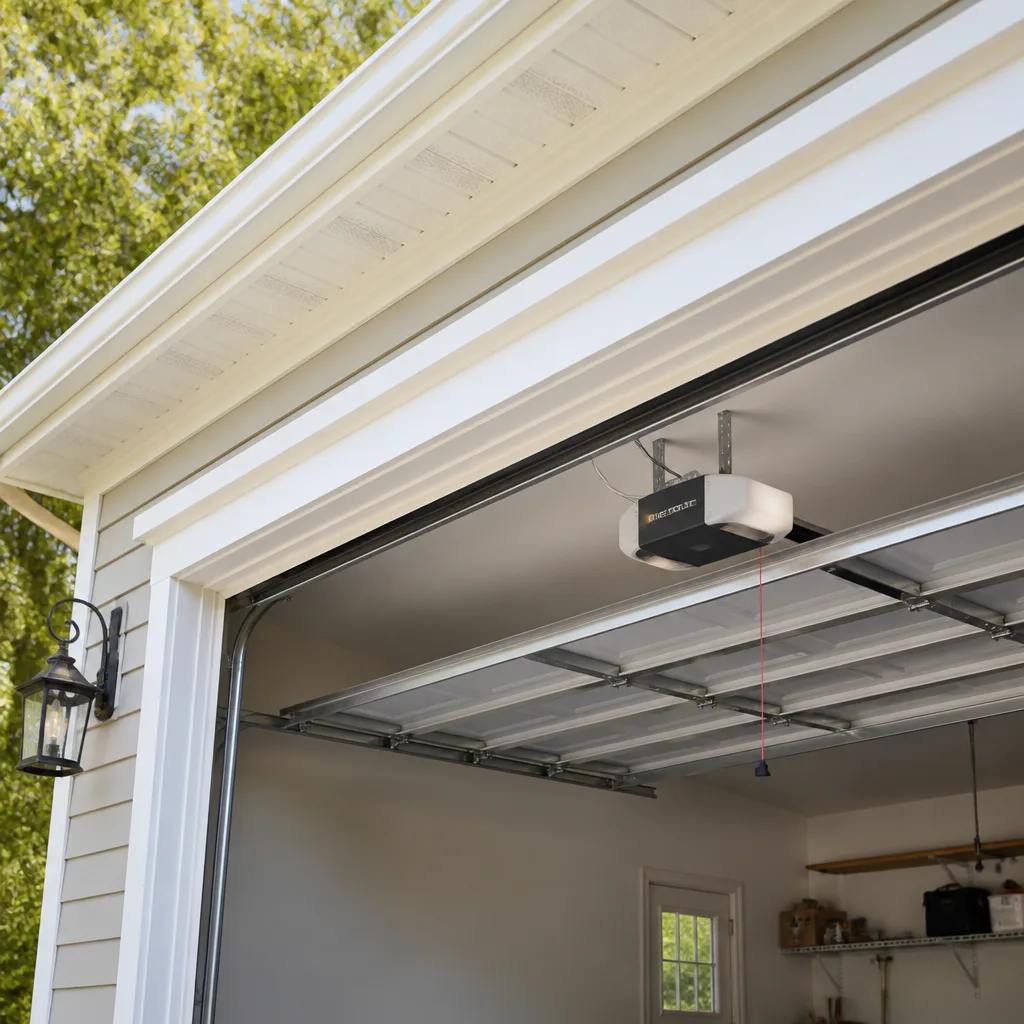 LiftMaster openers
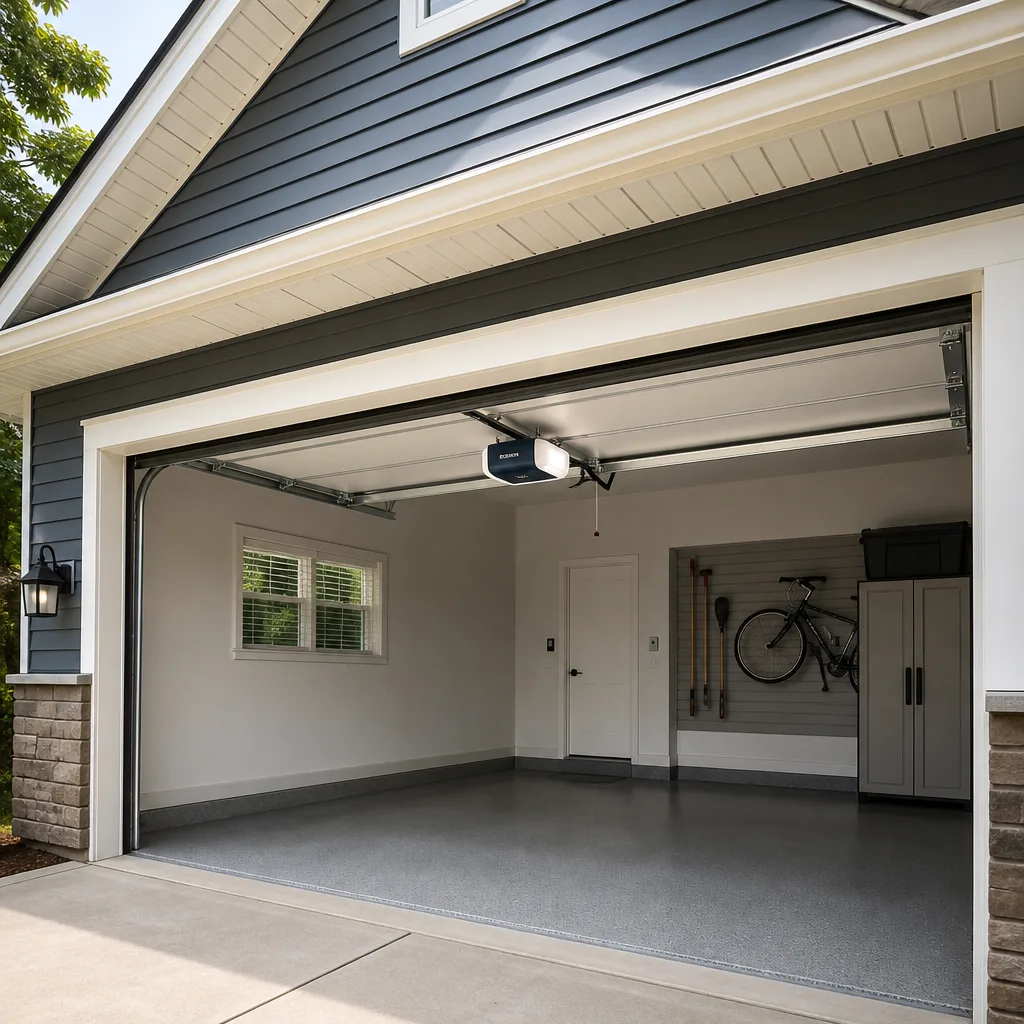 Chamberlain openers
Full 25-point door and opener safety check with every visit - springs, cables, rollers, tracks, and your LiftMaster or Chamberlain opener included
You get a price before we start. It does not change when the truck arrives.
Get your free estimateGarage Door Repair Troubleshooting: Common Problems and How to Fix Them
Here’s a number that surprises most Elk Grove homeowners: roughly 70% of the garage door repairs we walk into started as a smaller, cheaper problem that was misdiagnosed at home. A door that reverses before hitting the floor is almost never a sensor problem, yet “clean your sensors” is the answer 90% of tutorial videos give, sending people in the wrong direction for 45 minutes while the real culprit, a worn trolley carriage or a down-force limit setting, keeps getting worse. This guide is written to fix that, and you can find Garage Door Warning Signs: A Elk Grove Homeowner’s Reference Guide for additional context. You’ll learn how to read what your door is actually doing, match the symptom to the real mechanical cause, and know exactly which fixes are safe to handle and which ones need a trained hand.
Styles & brands we work with
Quick Answer
Garage door repair troubleshooting starts with identifying the specific symptom: a door that won’t move, moves unevenly, reverses mid-travel, makes grinding or squealing noise, or opens but won’t close. Each symptom points to a different system, which is why generic checklists fail. For anything involving torsion springs, cables under tension, or a door off its track, stop troubleshooting and call a professional immediately, these components hold enough stored energy to cause serious injury. In Elk Grove, Artisan Garage Door Repair diagnoses the actual cause and quotes the repair before any work begins through our Garage Door Repair services, call (855) 631-8980 for a free estimate.
Table of Contents
- Symptom-First Troubleshooting: Read the Door, Not the Checklist
- Door Reverses Before Hitting the Floor: The Misdiagnosed Classic
- Spring, Cable, or Roller: Three Failures That Look Identical
- Opener Error Codes Decoded: LiftMaster, Genie, and Legacy Craftsman
- The Compounding Failure Pattern: Why One Week Matters
- Repair vs. Replace: An Honest Parts-Cost-Vs-Labor Matrix
- Common Mistakes to Avoid
- When to Call a Professional
- Frequently Asked Questions
- The Bottom Line
Symptom-First Troubleshooting: Read the Door, Not the Checklist
Every garage door problem presents one of five symptoms: the door won’t move at all, it moves unevenly or jerks, it reverses before reaching the floor, it moves slowly or labors, or it makes noise it didn’t make last month. That symptom is the only reliable starting point. Most online guides force every problem through the same three-step checklist, springs, sensors, opener, and that’s exactly how a homeowner with a frayed cable ends up replacing a perfectly good circuit board. We’ve stood in enough Elk Grove garages to know the pattern: the door gets blamed before the opener, the opener gets blamed before the track, and the track almost never gets checked at all.
Start by watching the door with the opener disconnected. Pull the red emergency release handle and operate the door manually. A door that lifts smoothly by hand but misbehaves under opener power points to the opener, the force settings, or the trolley. A door that’s heavy, sticks, or binds when you lift it manually points to the door itself: the springs, the rollers, the track, or the cables. This single test, lifting the door by hand, splits garage door problems into two clean categories and saves you from replacing parts that were never broken. It’s step one every time, and it takes thirty seconds.
In Elk Grove’s climate, with summer temperatures regularly breaking 100 degrees, door components age differently than they do in milder regions. Heat accelerates roller wear, causes nylon bearings to degrade faster, and makes old grease on the track turn gummy. If your door has been installed for over a decade here, assume heat-related wear on rolling components before you assume an electronic failure. We see this pattern most often in the older subdivisions around Elk Grove, the Laguna area and along Elk Grove Boulevard, where doors from the early 2000s are hitting the end of their original component life all at once.
Door Reverses Before Hitting the Floor: The Misdiagnosed Classic
A door that starts closing, then reverses back up before touching the ground, is one of the most common service calls we answer, and one of the most commonly misdiagnosed. The sensor explanation is so prevalent online that homeowners spend an hour cleaning and realigning photo eyes, only to watch the door reverse again. Here’s what the door is actually telling you: the opener’s internal logic detected resistance it didn’t expect and aborted the close cycle. That resistance can come from several places, and sensors are only one of them.
The mechanical causes, in order of how often we see them in Elk Grove homes, are: a down-force setting that’s drifted too low as the opener aged; a trolley carriage that’s worn and binding on the rail, a common issue on LiftMaster and Chamberlain units with original plastic carriages after 8-12 years; a track that’s pinched slightly inward from a door strike or ground settlement; a spring that’s lost tension, making the door feel heavier than the opener’s preset limits expect; or, yes, a sensor with a cracked lens or a misaligned beam, especially in garages where the sun hits the photo eye directly in the late afternoon, a real factor in west-facing Elk Grove garages.
- Disconnect the opener with the emergency release and close the door by hand. If it closes smoothly with moderate effort, the door mechanics are fine and the problem is in the opener or its settings.
- Check the sensor eyes. Both should have a solid LED, not flickering. Wipe the lenses with a dry cloth. Direct sunlight can blind a sensor, shield the lens with a cardboard tube if your garage faces west.
- Locate the force adjustment dials on the opener unit, usually on the back or side panel. If the down-force dial has drifted toward minimum, increase it one notch and test. This is a common fix that takes under a minute.
- Watch the trolley carriage as the door travels. If it hesitates or chatters midway, the carriage itself is worn. This part is replaceable, and on LiftMaster and Chamberlain units it’s a known wear item past the 10-year mark.
- If the door reverses at the same spot every time, inspect the track at that exact height. A pinch or a dent, even a quarter inch, can trip the force sensor.
If you’ve worked through these steps and the door still reverses, call us. A reversing door is a safety mechanism doing its job, and bypassing it is never the right answer. We diagnose the actual cause rather than adjusting the force high enough to muscle through the problem, which is what creates a dangerous door. Artisan-level precision on every job means fixing the cause, not the symptom.
Spring, Cable, or Roller: Three Failures That Look Identical
From inside the car, three different failures look almost exactly the same: a garage door that’s crooked, jerks, or won’t stay up. It could be a broken torsion spring. It could be a snapped cable. It could be a seized or shattered roller. Each is a different repair with a different price, and mistaking one for another is how a $90 roller replacement becomes a $500 track repair two weeks later when the door finally rips itself out of alignment. Here’s how to tell them apart with visual inspection and one manual test.
Torsion spring failure: The torsion spring is the long coiled spring mounted horizontally above the closed door. When it breaks, you’ll usually hear a sound like a firecracker from anywhere in the house. Inspect the spring, if there’s a visible gap in the coil, usually in the middle, it has snapped. The door will be extremely heavy to lift manually, often too heavy for one person. Do not attempt to lift or disassemble anything on a door with a broken spring. The remaining tension in the second spring, if you have a two-spring system, is dangerous. Call a professional.
Cable failure: Cables run vertically along both sides of the door, spooling onto drums above. When a cable snaps or frays, the door will visibly hang unevenly, one side higher than the other. You’ll see a loose or dangling cable, or a bird’s nest of wire on the drum. Sometimes the door appears to operate, but grinds because it’s lifting from one side only. Every cycle you run on a door with a broken cable is actively damaging the track, the panels, and the remaining cable. Stop using the door and call a professional. Cables are under the same spring tension as the spring itself.
Roller failure: Rollers are the wheels that ride inside the vertical and horizontal track. A seized roller, one that no longer spins but scrapes along the track instead, makes a scraping or grinding noise and may wear a flat spot into the track over weeks. A shattered roller, usually a plastic or nylon one, leaves the door banging against the track. If the door moves but sounds like metal-on-metal, inspect each roller. A roller replacement is a manageable DIY job for a homeowner with the right tools, but the bottom roller on each side carries cable tension and should be left to a technician.
The manual test: with the opener disconnected, lift the door. If it feels like lifting 150 pounds of dead weight, the spring has failed. If it lifts but the door tilts and binds, you have a cable or roller problem. That simple distinction tells us more in person, and tells you on the phone, than any brand-specific forum thread ever will.
Opener Error Codes Decoded: LiftMaster, Genie, and Legacy Craftsman
Opener error codes are a homeowner’s best diagnostic tool, but the manual’s explanation is often misleading. The code tells you the system the opener thinks failed, not necessarily the part that’s actually broken. In our experience across Elk Grove homes, the three opener brands we see most are LiftMaster and Chamberlain units, which share internal logic, Genie units, and older Craftsman openers from the 1990s and 2000s, many of them original equipment in homes built during Elk Grove’s early 2000s expansion. Here’s what the most common codes mean mechanically.
LiftMaster / Chamberlain:
- Up arrow flashing 4 times, down arrow flashing 6 times: The logic board sees a sensor obstruction or misalignment. The manual says “check sensors.” What it often actually is: sun blinding the photo eye, a pinched sensor wire from a door strike, or a failing logic board that’s throwing a false sensor code. Clean the lenses, check the wiring path, and if the code persists in the evening, suspect the board.
- Up arrow 1, down arrow 1: The opener hit its force limit. The manual says “adjust force.” The mechanical truth: usually a door that’s gotten heavier from spring fatigue or a binding roller, and the force setting is the symptom, not the cause. Adjusting force without finding the bind masks the problem and stresses the gear.
- Up arrow 4, down arrow 1: The unit hit its travel limit unexpectedly. Check the travel module and the belt or chain for slack. On units over 12 years old, the travel module gear is a known failure point, a cheap part, and a common fix we handle on Garage Door Opener Repair in Elk Grove calls.
Genie:
- 2 flashes, pause, repeat: The unit’s receiving eye is blocked or not seeing the sending eye. Same sun issue as LiftMaster, and on older Genie units, look for a cracked lens housing letting water in after a wet Elk Grove winter.
- 4 flashes: The motor overheated or hit its thermal cutout. The manual says “let it cool.” In practice, repeated 4-flash codes mean the door is binding and the motor is working too hard, or the opener is undersized for the door. A door that trips thermal protection regularly is a repair waiting to graduate into a full opener replacement.
- 5 flashes: RPM sensor failure or motor drive issue. On Genie screw-drive units from the early 2000s, this often means the screw drive is gummed with old grease and sawdust, a clean-and-relube job, not a new opener.
Legacy Craftsman:
- 1 flash: No RPM signal, the motor isn’t moving. On older Craftsman chain-drive units, look for a stripped drive gear, the white plastic gear inside the power head is the single most common failure on these units after 15 years, and it’s a $30 part in a $150 opener. This is a repair that makes sense.
- 2 flashes: Sensor issue, same as other brands. However, on Craftsman units wired with original 20-year-old sensor wire, the wire itself has often degraded at the staples holding it to the wall. Check continuity before replacing sensors.
- 5 flashes: Motor overheat. Same binding-door diagnosis as Genie. A Craftsman unit that’s been reliable for 15 years and suddenly starts throwing 5-flash codes is telling you the door, not the opener, has changed.
Error codes are clues, not verdicts. Reading them correctly is the difference between a $30 part and a $300 opener replacement. That’s what we mean when we say diagnosed right the first time.
The Compounding Failure Pattern: Why One Week Matters
Garage door failures rarely happen all at once, the catastrophic spring snap being the loud exception. Most follow a compounding pattern that a technician can spot from across the driveway: one small component fails, its failure loads the next component harder, that component fails, and within weeks a $95 repair becomes a $650 repair. Homeowners in Elk Grove call us at different points on this chain, and the difference in repair cost is often just a week or two of continued use.
The classic chain: a roller seizes. The door no longer rolls through the track, it drags. The drag forces the opener, still using the same force setting, to pull harder. The added friction wears the opener gear. Meanwhile, the seized roller is grinding a groove into the track at the same spot every cycle. The door begins to shake. The shaking works the track brackets loose from the wall. Now you have a seized roller, a worn opener gear, a grooved track, and loose brackets. Four repairs, one root cause, all avoidable if the grinding noise had been investigated in week one.
We see this exact chain often in Elk Grove’s Stone Lake and Laguna West areas, where homes from the mid-2000s are hitting the point where original nylon rollers are degrading. The noise is the early warning. A garage door should be quiet enough that you barely notice it cycling. If yours has started making a sound it didn’t make last season, grinding, scraping, clicking, or a rhythmic thump, that sound is a failing component telling you where it lives. Ignoring it for one more month is never cheaper. That’s not sales pressure, it’s mechanical reality.
Another compounding chain specific to our climate: a door left slightly out of balance because a spring is losing tension. Out-of-balance doors drift sideways and rub the jamb. The rubbing wears the weatherseal. The worn weatherseal lets summer heat in, warping the bottom panel on a west-facing door. A spring tune-up, done early, would have prevented a panel replacement. Garage doors are all we do, and that focus means we can spot the week-one warning signs that a general handyman won’t think to look for.
Repair vs. Replace: An Honest Parts-Cost-Vs-Labor Matrix
At some point, every repair decision becomes a math problem: does the cost to fix exceed the cost of replacement, adjusted for how much longer the fixed door will actually last? Most websites dodge this question because the answer often reduces a sale. We’d rather give you the honest matrix and let the numbers speak. A diagnostic dead end, where you keep repairing one component after another, is more expensive than replacing the door once, and every technician knows it. Few will tell you.
Here’s the framework we use when advising Elk Grove homeowners:
- Door repairs under $300, and the door is under 15 years old: Repair makes sense. Rollers, cables, spring tune-ups, sensor replacements, and opener gear replacements fall in this range. The door’s remaining life justifies the spend.
- Door repairs over $400, and the door is over 18 years old: Start pricing replacement. A steel door installed in 2005 is nearing the end of its design life. Replacing the spring and the rollers this year, then the panels next year, then the track the year after, will total more than a new door installed once.
- Opener repairs under $150 on a unit under 10 years old: Repair. Opener repairs over $250 on a unit over 15 years old: replace. The parts cost economics of openers favor replacement past a certain age, and a new opener ships with a new logic board, new sensors, and a warranty.
- Multi-component repairs that total more than 60% of a replacement door: Replace. Three simultaneous repairs on an old door is the compounding failure pattern finishing its run. The fourth failure is already scheduled.
Here’s a tighter look at typical parts-and-labor ranges we quote in the Elk Grove market, so you can run the math yourself:
- Roller replacement (all rollers, nylon): $90-$160
- Cable replacement (pair): $150-$220
- Torsion spring replacement (pair): $280-$380
- Track repair or realignment: $125-$250
- Opener gear replacement: $100-$180
- Opener replacement (parts and labor): $400-$650
- New double door installed: $1,200-$2,800 depending on brand and insulation level
The repair-versus-replace call gets easier when you have someone who knows all eight major brands and isn’t steering you toward one. We work on your brand, whatever it is, and we’ll tell you honestly whether it’s worth fixing. From a stuck spring to a full new installation, Garage Door Repair in Elk Grove is one call that covers it, and we’d rather earn your next repair than maximize this one.
Common Mistakes to Avoid
- Cleaning sensors before checking anything else. The sensor answer is so dominant online that people waste an hour on a door whose real problem is a dead opener gear. Disconnect the opener and test the door manually before you touch the sensors.
- Adjusting opener force to overcome a heavy door. A door that’s gotten heavier has a mechanical reason, usually spring fatigue or a binding roller. Cranking the force setting masks that reason until the door or the opener fails completely.
- Ignoring a new noise. Garage doors don’t get noisier because they’re old. They get noisier because something is wearing out and telling you where. A grinding roller caught in week one is a $100 repair. In week six, it’s a track and panel problem.
- Attempting DIY torsion spring work. Torsion springs hold enough stored energy to seriously injure or kill. This is not a skills gap issue, it’s a physics issue. Even with the right tools, the wrong movement around a wound spring is irreversible.
- Ordering parts by brand before identifying the actual failed component. A Chamberlain opener throwing a sensor code doesn’t need Chamberlain sensors, it needs the actual cause found. Brand-first troubleshooting sends people toward online parts orders that don’t fix the door.
- Running the door on a broken cable. A door with one snapped cable still moves, which makes people think it’s usable. Every cycle damages the track and the remaining cable. Stop the door, disconnect the opener, and call someone.
- Skipping the manual lift test. Thirty seconds with the emergency release tells you more than an hour of YouTube. Lift the door by hand before you touch anything else.
When to Call a Professional
Any problem involving a torsion spring, a cable under tension, or a door off its track is a stop-everything moment. These components store and release mechanical energy in ways that can break bones or worse, and no tutorial will make the risk worth it. Beyond the dangerous stuff, call a professional when you’ve done the manual test and the symptom doesn’t match any fix you’re confident in, when the door has multiple symptoms at once, which usually signals the compounding failure pattern, or when an opener error code keeps returning after you’ve addressed the obvious causes. See How to Hire a Garage Door Contractor in Elk Grove: A Step-by-Step Guide for help choosing the right technician. Artisan Garage Door Repair offers free estimates in Elk Grove, call (855) 631-8980, and we’ll quote the repair before any work starts. You’ll know the number, and the cause, before you agree to anything.
Frequently Asked Questions
Most garage door repairs in Elk Grove run between $90 and $380 depending on the component. Roller replacement runs $90-$160, cable replacement $150-$220, and a torsion spring pair $280-$380. The price is quoted and agreed before any work starts, and estimates are free. Call (855) 631-8980 for an exact quote on your door.
A reversing door is the opener’s force sensor detecting unexpected resistance, and the cause is usually a worn trolley carriage, a drifted down-force setting, or a pinched track, not dirty sensors. Test by disconnecting the opener and closing the door by hand to isolate whether the problem is mechanical or electronic.
Most common repairs, broken springs, snapped cables, seized rollers, and opener gear failures, are same-day jobs because we carry the common parts for all eight major brands on the truck. Replacement doors and some opener replacements require measuring and ordering. Call (855) 631-8980 and we’ll tell you honestly which category your repair falls into.
Yes. We’re trained on products from LiftMaster, Chamberlain, Genie, Clopay, Amarr, Wayne Dalton, Craftsman, and Raynor. We work on your brand, whatever it is, and we diagnose without steering you toward a single manufacturer. Garage doors are all we do.
No. We quote the repair before any work starts, and that’s the number on the invoice. If we find an additional problem during the repair, we stop, show you the issue, and get your approval on any added cost before proceeding. You’ll never be surprised by the final number.
We carry the common wear items for all eight major brands, torsion springs, cables, rollers, sensors, opener gears, and trolley carriages, so most repairs are completed on the first visit. This includes Elk Grove’s older Craftsman and Genie units, which is where we see the most repeat “second trip” problems from other companies. Garage Door Installation in Elk Grove projects are quoted and scheduled separately.
The Bottom Line
Garage door troubleshooting fails when it follows a generic checklist instead of reading the actual symptom. Start with the manual lift test, it splits every problem into door mechanics or opener electronics in thirty seconds. Respect the dangerous components, torsion springs and cables are not DIY territory. Pay attention to new noises, they’re early warnings, not personality quirks. And run the repair-versus-replace math honestly before you sink another $300 into a door that’s been telling you it’s done. We’ve built our whole company on getting this diagnosis right the first time. If you’re in Elk Grove and your door is misbehaving, call (855) 631-8980 for a free estimate, and you’ll know the cause and the cost before you decide anything.
Written by the team at Artisan Garage Door Repair, serving Elk Grove since 2014. Learn more about what we do at the Artisan Garage Door Repair home page.
See the difference
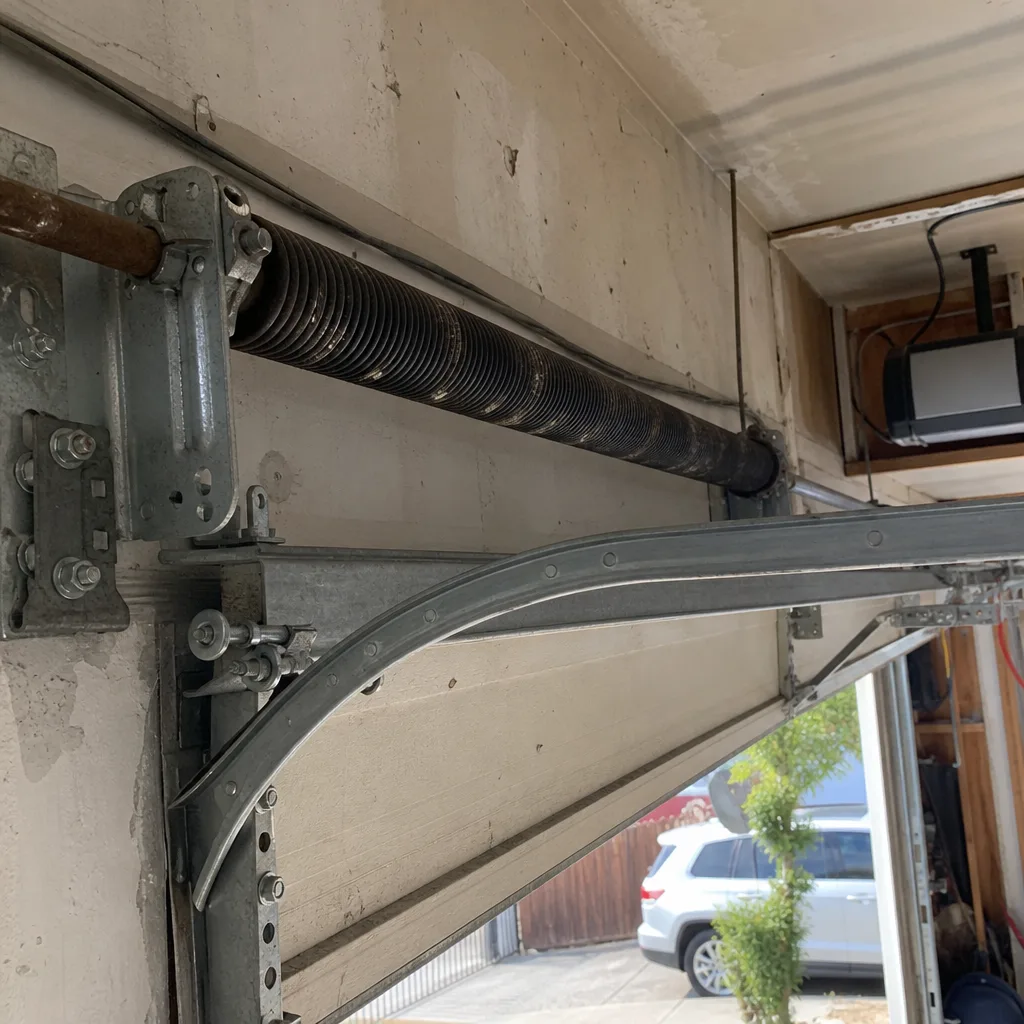 Before
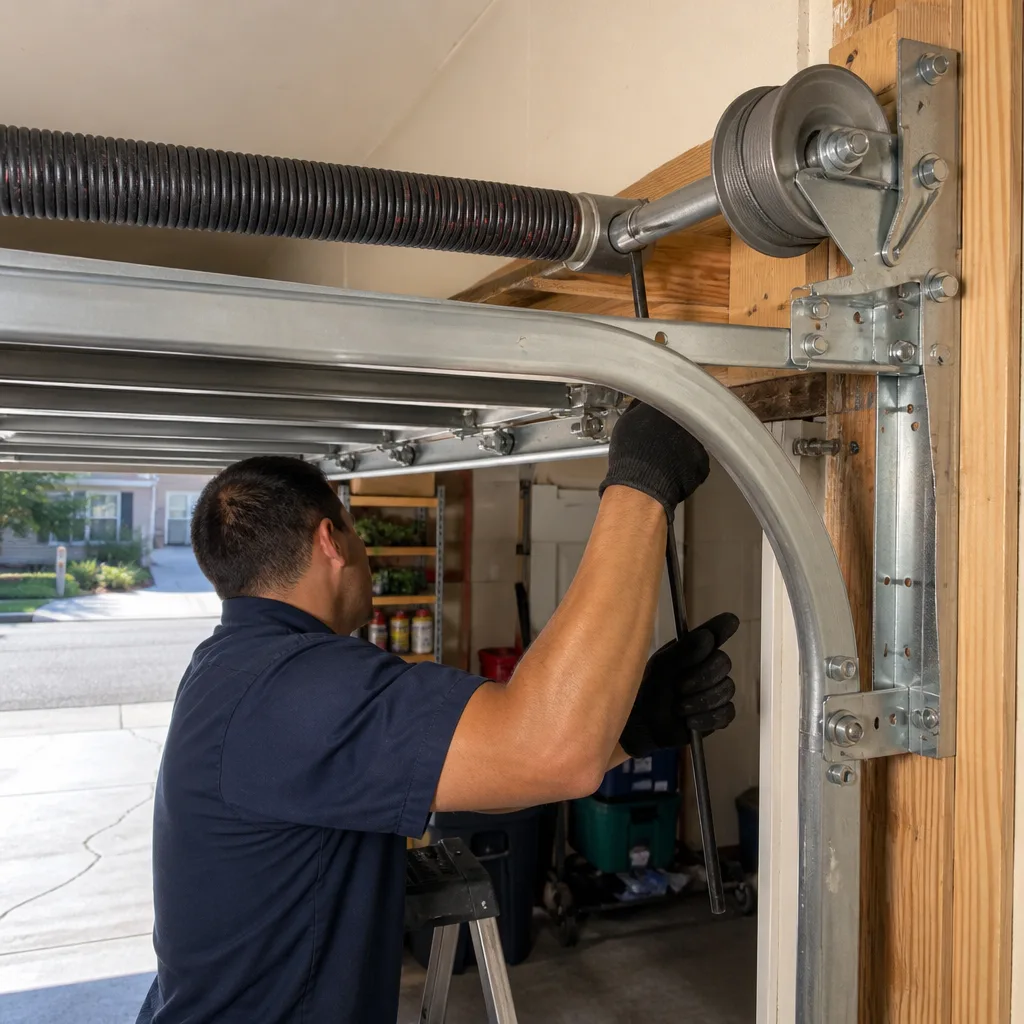 After
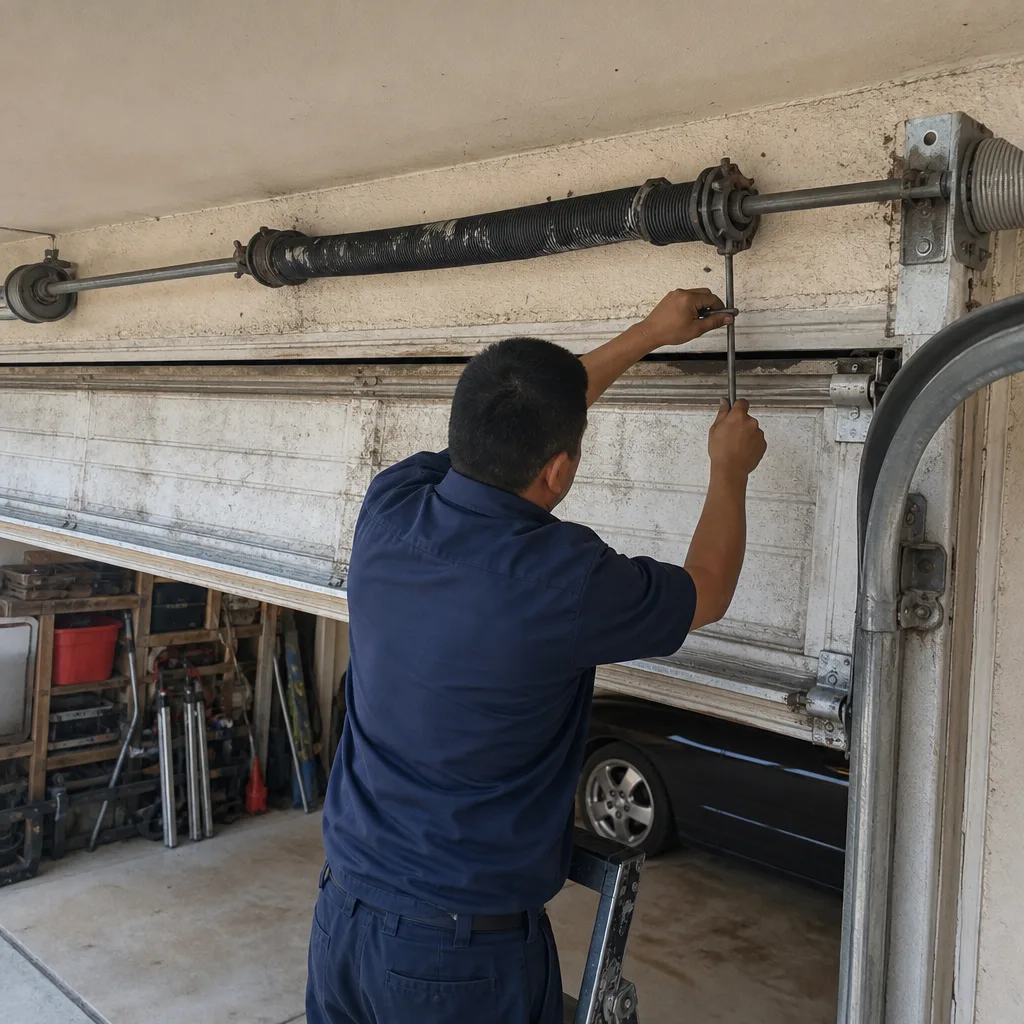 Before
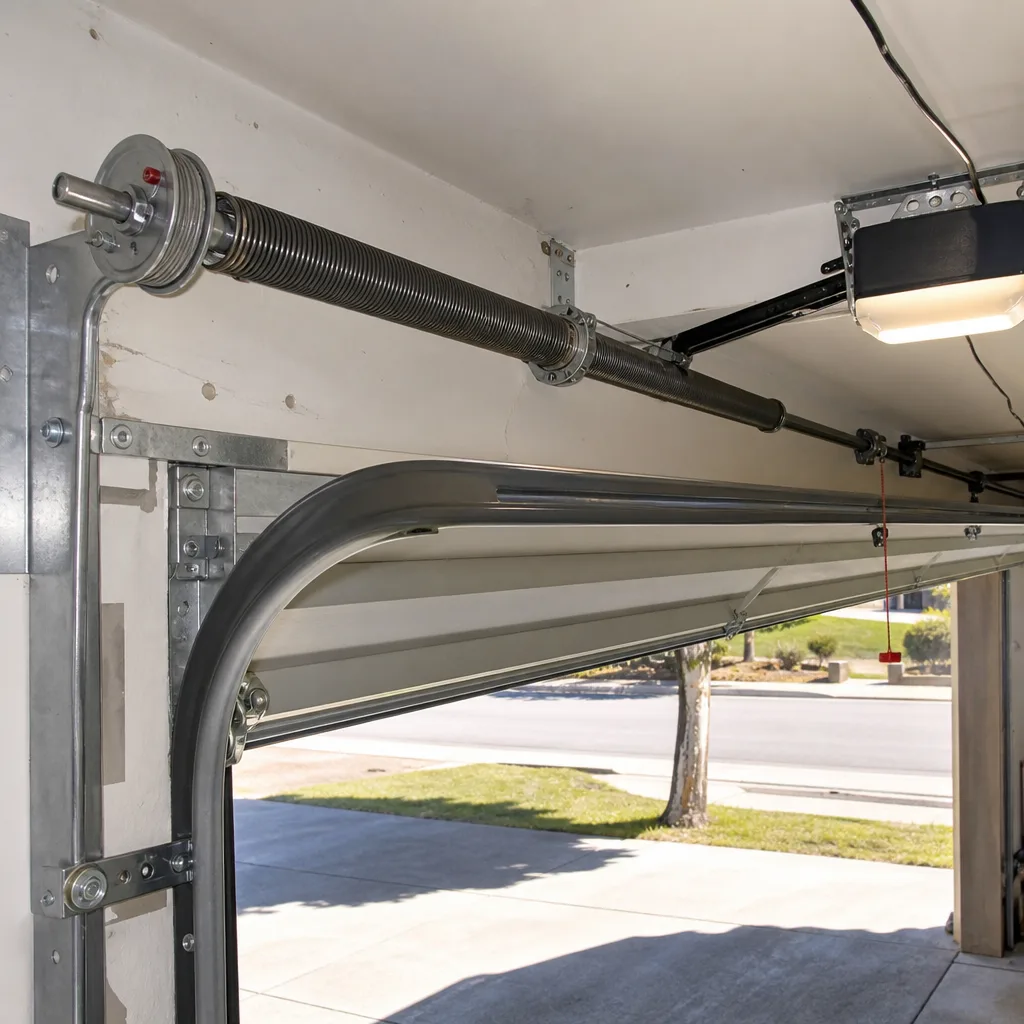 After
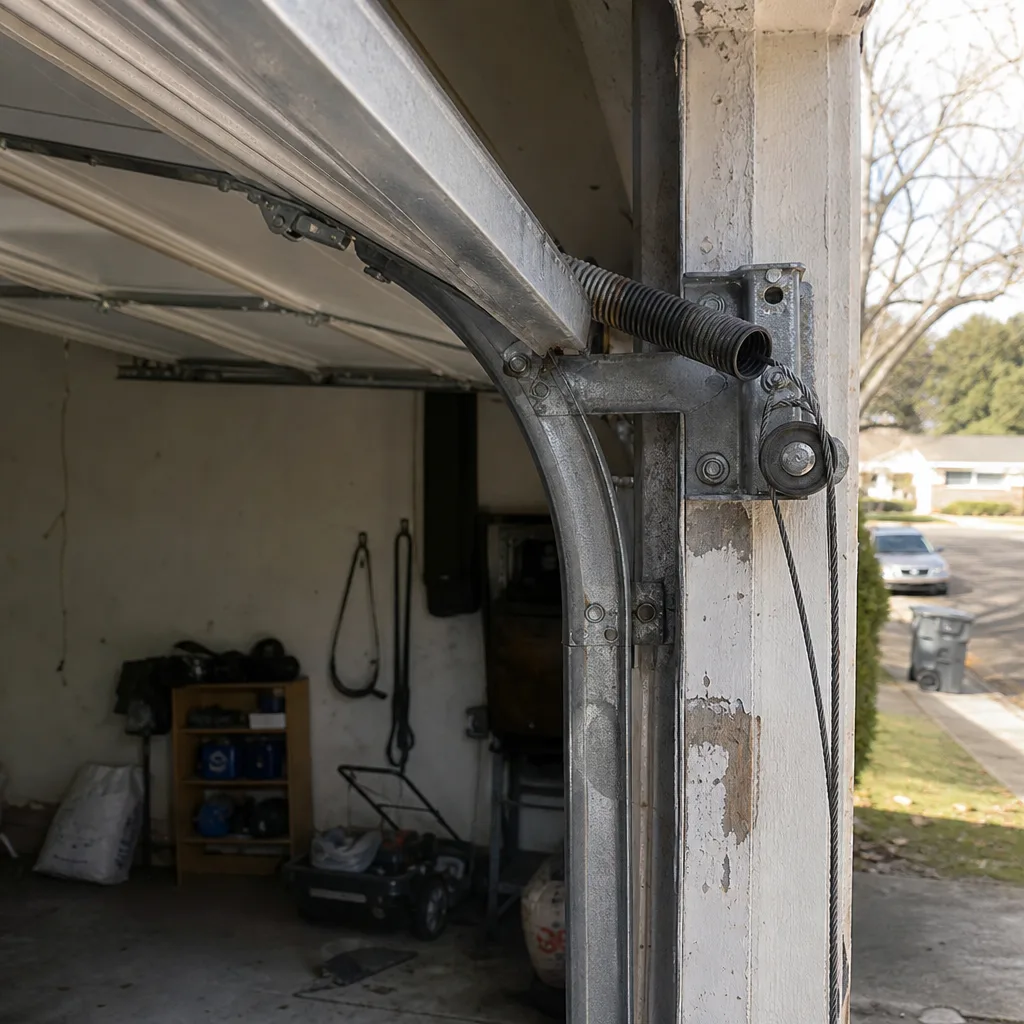 Before
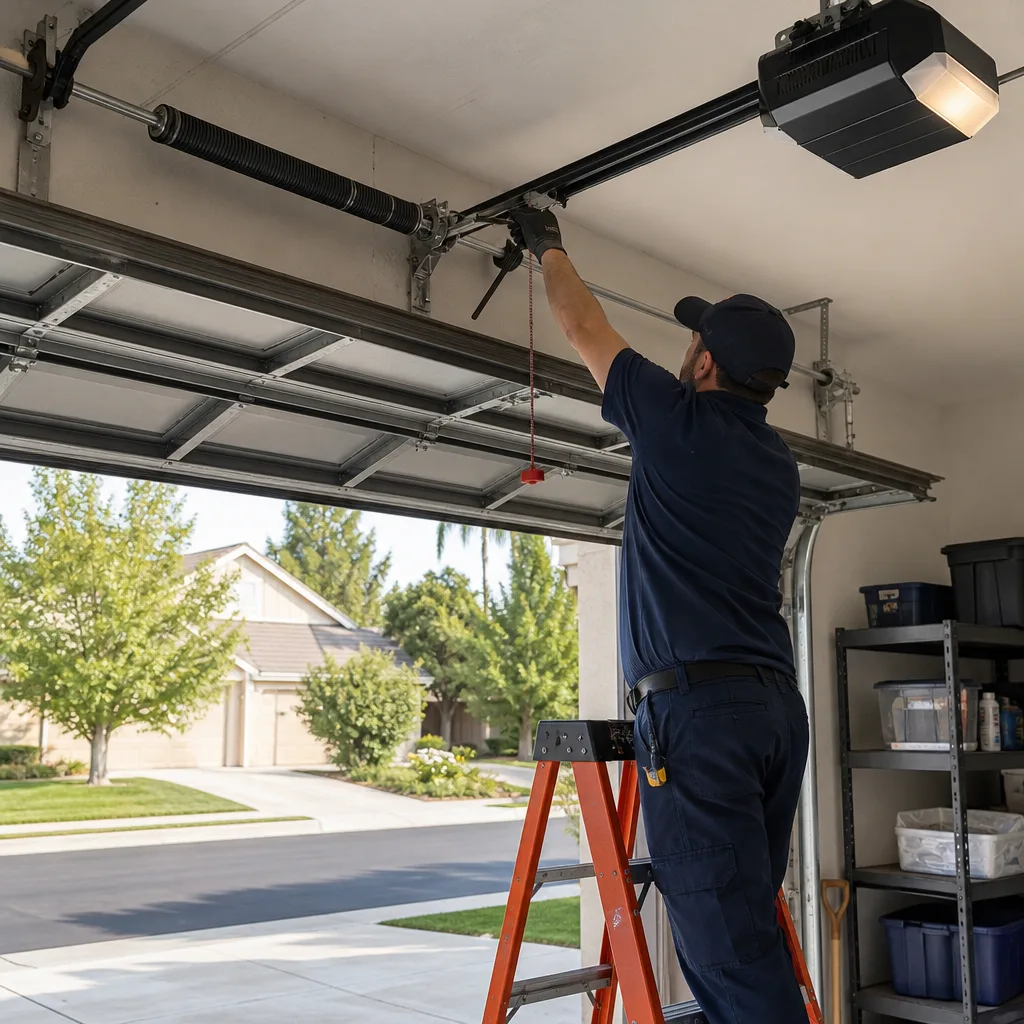 After